Exosome Treatment for Hair - How It Differs from PRP
What exosomes are, how clinics apply them to the scalp and how that differs from PRP, with the limits of the research, regulators' cautions and questions to ask a clinic.
- Reading time
- 11 min read
- Author
- Estebien Editorial Team
In short
- Exosomes are nano-sized vesicles that cells release and that take part in cell-to-cell communication; they are not living cells and do not replicate.
- PRP is prepared from the person's own blood at the same visit; exosome products mostly come from another source, are made in advance and vary with that source.
- A 2025 systematic review found that all 11 clinical studies, covering 298 patients, reported improvement in at least one hair measure, but says safety and efficacy remain to be determined.
- In December 2019 the FDA announced that there were no approved exosome products; none of the sources we read mentions an exosome product approved for hair loss.
- Exosome treatment is not done at home; only the physician who examines you can decide whether it is suitable, taking the product's legal status into account.
Exosome treatment for hair means a physician applying a product that contains nano-sized vesicles released by cells to the scalp. The basic difference from PRP is the source: PRP is prepared from the person's own blood at the same visit, while exosome products mostly come from another source and are made in advance. The evidence for hair is still at an early stage and the US Food and Drug Administration (FDA) has issued a safety notification about these products; this article reports both as they stand.
What are exosomes?
Exosomes are nano-sized vesicles that cells release. A review published in Anais Brasileiros de Dermatologia in November 2024 puts their size at about 30-150 nanometres and says they are secreted by many cell types, including stem cells, keratinocytes, fibroblasts, immune cells and plant cells. Inside a lipid membrane they carry proteins, pieces of RNA and other molecules, and they play a part in cell-to-cell communication.
An exosome is not a cell. A Mayo Clinic article for medical professionals says exosomes are not alive and do not replicate, and the review notes that exosome therapy is regarded as a cell-free method. The review's second point is variety: exosomes differ in size, content and function with the cell they come from. So exosome is not the name of one substance; two products can carry the same word and not the same content.
How does exosome treatment for hair differ from PRP?
The International Society of Hair Restoration Surgery (ISHRS) page on PRP sorts growth factor treatments into three by source: synthetic, exogenous and those obtained from the patient's own blood. The last is PRP: blood is drawn from the arm, centrifuged, and the platelet-rich part is injected into the scalp at the same visit; our PRP guide walks through the steps. According to the ISHRS, the exogenous group generally means exosomes, obtained from bone marrow or placenta.
In clinical studies on hair the list is longer. According to a systematic review published in Clinical, Cosmetic and Investigational Dermatology in September 2025, the exosomes used came mostly from mesenchymal stem cells taken from adipose tissue, placenta, hair follicles, bone marrow, foreskin and umbilical cord, and were isolated by different methods such as ultracentrifugation, filtration or commercial kits. One study used an exosome formulation combined with plant extracts, and another used micrografts prepared from the patient's own hair follicles.
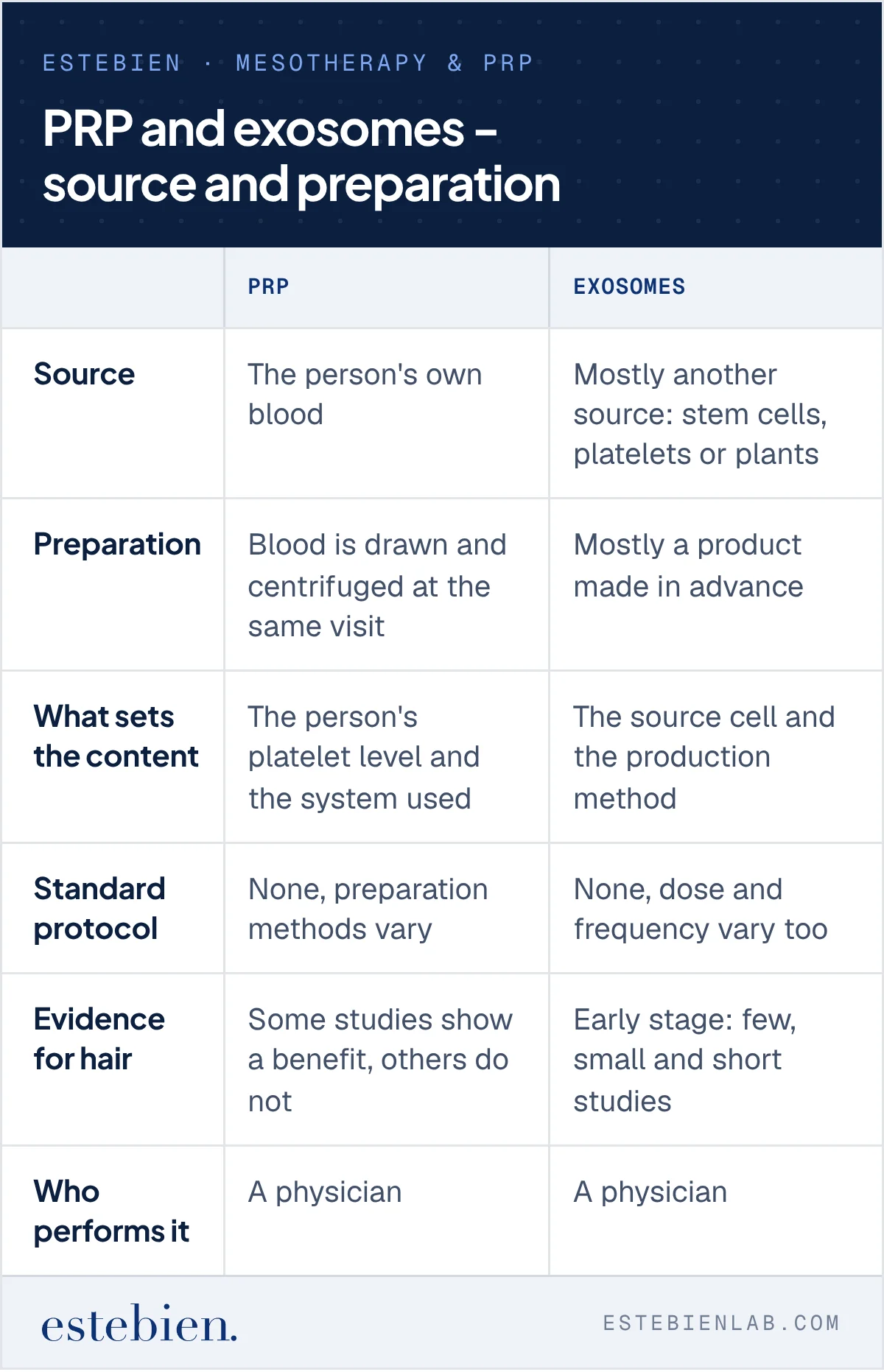
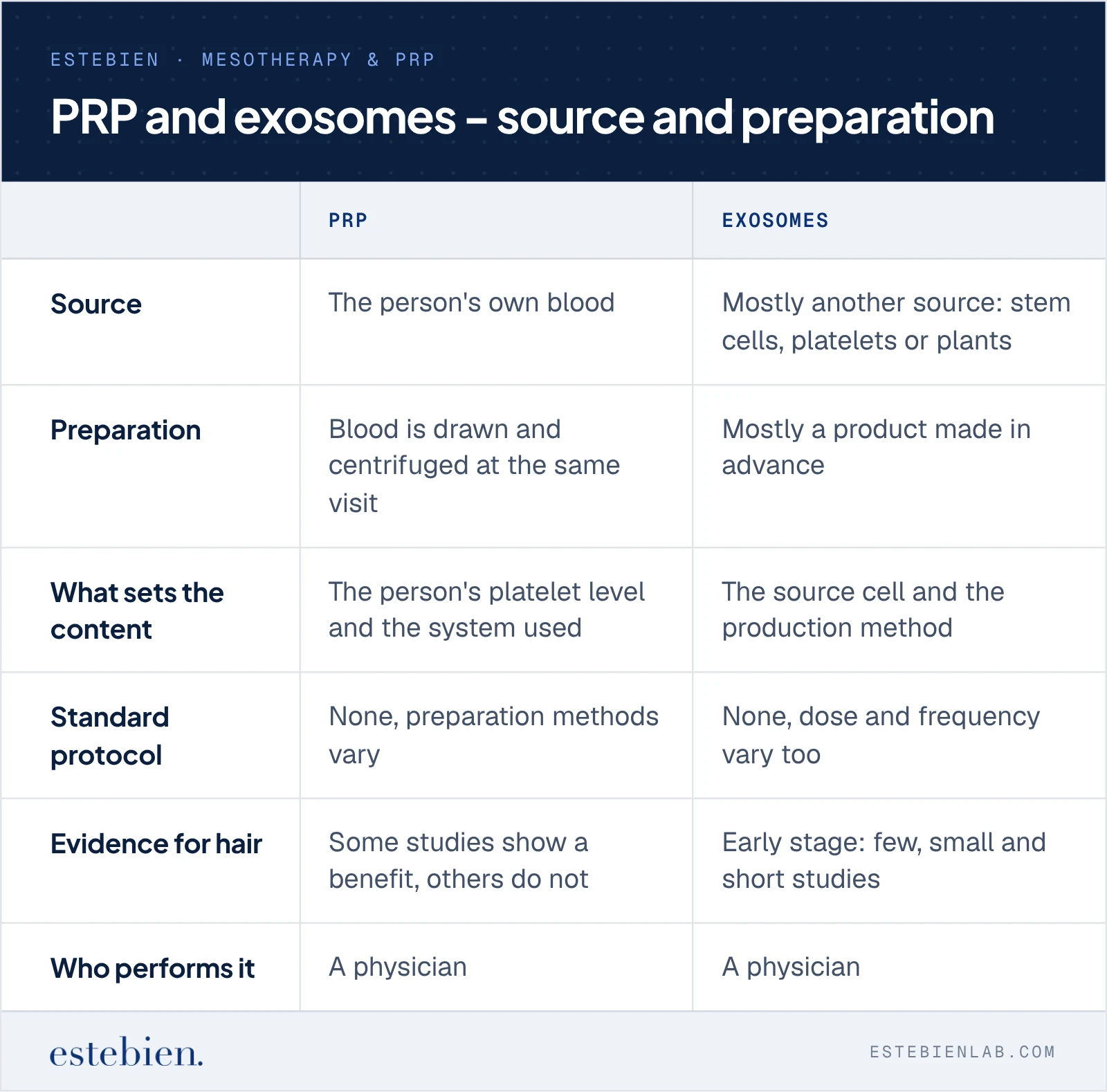
With PRP the content depends on the person's own platelet level; the ISHRS notes that the wide normal range of platelet levels may account for inconsistent results. With an exosome product it depends on the source cell and the production method. The dermatology review says there is no standard for extraction, purification, quantification or dose. The third method, in which vitamin or drug mixtures are injected, is covered in our hair mesotherapy guide, and how it differs from PRP in PRP or mesotherapy.
| Criterion | PRP | Exosomes |
|---|---|---|
| Source | The person's own blood | Mostly another source: mesenchymal stem cells, platelets or plants |
| Preparation at the clinic | Blood is drawn and centrifuged at the same visit | Mostly a product made in advance |
| Standardisation | No standard for blood collection, preparation or administration (ISHRS) | No standard for isolation, dose or frequency |
| Evidence for hair | Some studies show a benefit, others do not (ISHRS) | 11 small clinical studies; safety and efficacy still to be determined |
| Regulatory position in the US | Preparation systems are FDA-cleared for orthopaedic use; use for hair is off-label (ISHRS) | No FDA-approved exosome product (December 2019 notice and 2024 review) |
How were exosomes applied to the scalp in clinical studies?
There is no established protocol for applying exosomes to the scalp. The systematic review covers 11 clinical studies published between 2022 and 2025 with 298 patients. Most concern male and female pattern hair loss (androgenetic alopecia); sample sizes range from 1 to 85 and follow-up from 6 weeks to 12 months. Three routes stand out: intradermal injection into the scalp, injection combined with microneedling, and applying the product to the skin together with microneedling.
| Study | Exosome source | Application | Participants |
|---|---|---|---|
| Dehghani et al. | Placenta | Intradermal injection every two weeks for two months | 12 patients |
| Nadeem et al. (randomised) | Adipose tissue | Injection with microneedling over 12 weeks | 85 patients |
| Park et al. | Adipose tissue | Applied to the skin with microneedling weekly for 12 weeks | 39 patients |
| Sasaki et al. | Bone marrow | A single intradermal injection, six months of follow-up | 31 patients |
Source, number of sessions and route change from study to study; the review's authors count the lack of a standard dose, frequency and method of administration as a challenge. So it is reasonable to ask a clinic what its proposed plan is based on.
What does the research show, and what does it not show?
What it shows: all 11 studies in the review reported improvement in at least one measure, such as hair density or thickness. The adverse events reported were mild and transient, including scalp irritation, redness, swelling, itching and occasional headaches; no serious systemic side effects, infections or immune reactions were reported.
What it does not show is a longer list. Only two of the 11 studies are randomised controlled trials, and both are small; the rest are studies without a control group, retrospective analyses and case reports. The authors rate the risk of bias in the non-randomised studies as predominantly serious and say the short follow-up may have missed long-term efficacy or delayed adverse events. In the review's own words, the safety and efficacy of exosome therapy for hair loss remain to be determined.
The comparison with PRP runs into the same limit. A systematic review of exosomes, PRP and minoxidil published in Cureus in July 2025 finds exosomes promising, but says the exosome studies are small (5-85 patients) and short (6-12 weeks), that the comparison therefore remains preliminary, and that how long any effect lasts is unknown. The authors call exosomes an exciting but experimental tool. On the data available, neither method can be called superior, and nothing in this article should be read as a promise of results.
Are exosome products approved?
In December 2019 the FDA issued a public safety notification on exosome products. According to the notification, reprinted in the January/February 2020 issue of the ISHRS newsletter Hair Transplant Forum International, serious adverse events had been reported in patients in Nebraska treated with unapproved products marketed as containing exosomes. It states that there were no FDA-approved exosome products at that date, and that exosomes used to treat diseases and conditions are regulated as drugs and biological products and require premarket review and approval.
Later sources do not change this. The November 2024 dermatology review says the FDA has not yet approved exosomes for use as topical, injectable or intravenous treatments. According to the same review, the health authority in Brazil authorises only exosomes of non-human origin, as cosmetics for external use on intact skin, and does not allow injection. The Mayo Clinic article of May 2025 likewise says the platelet-derived exosome product it uses is applied topically only and is not approved for injection outside FDA clinical trials. None of the sources we read mentions an exosome product approved for hair loss.
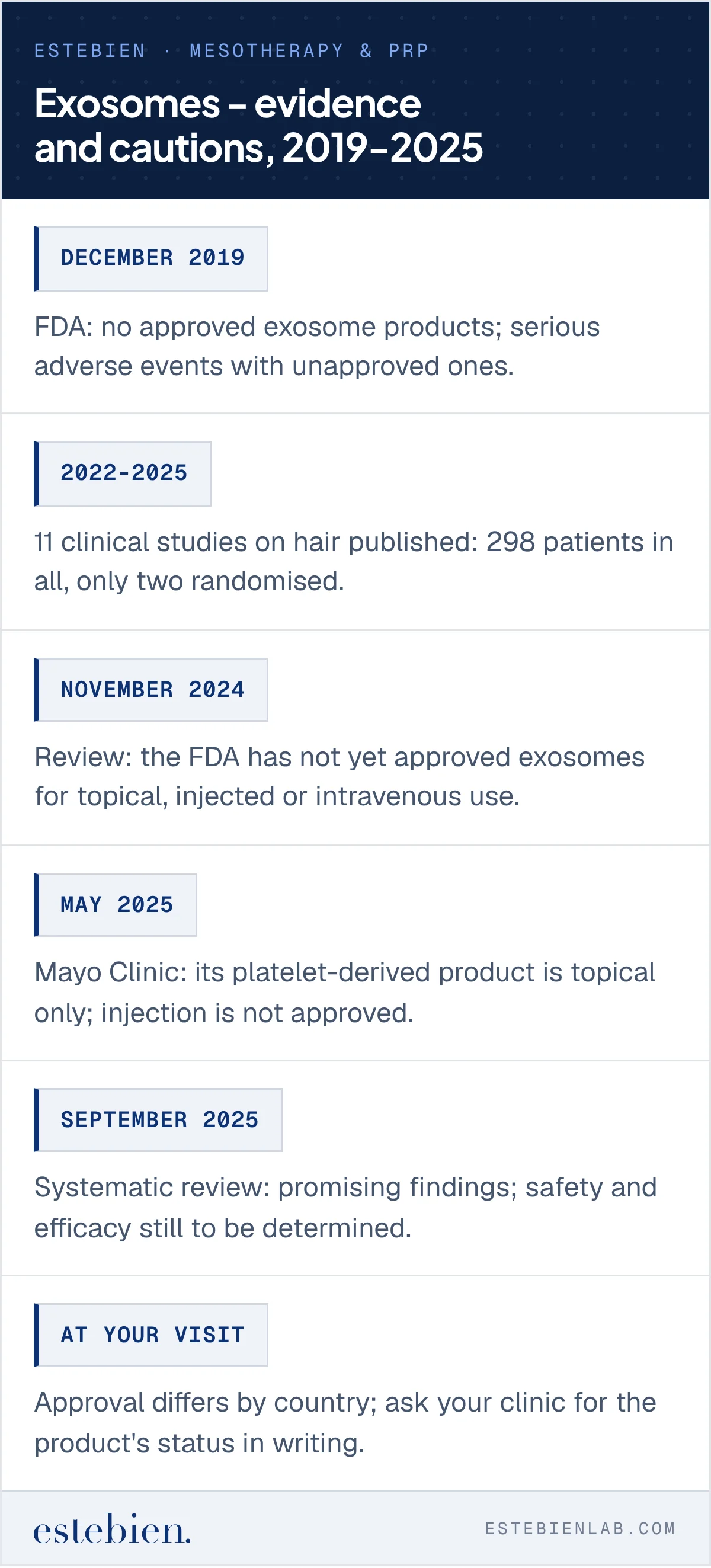
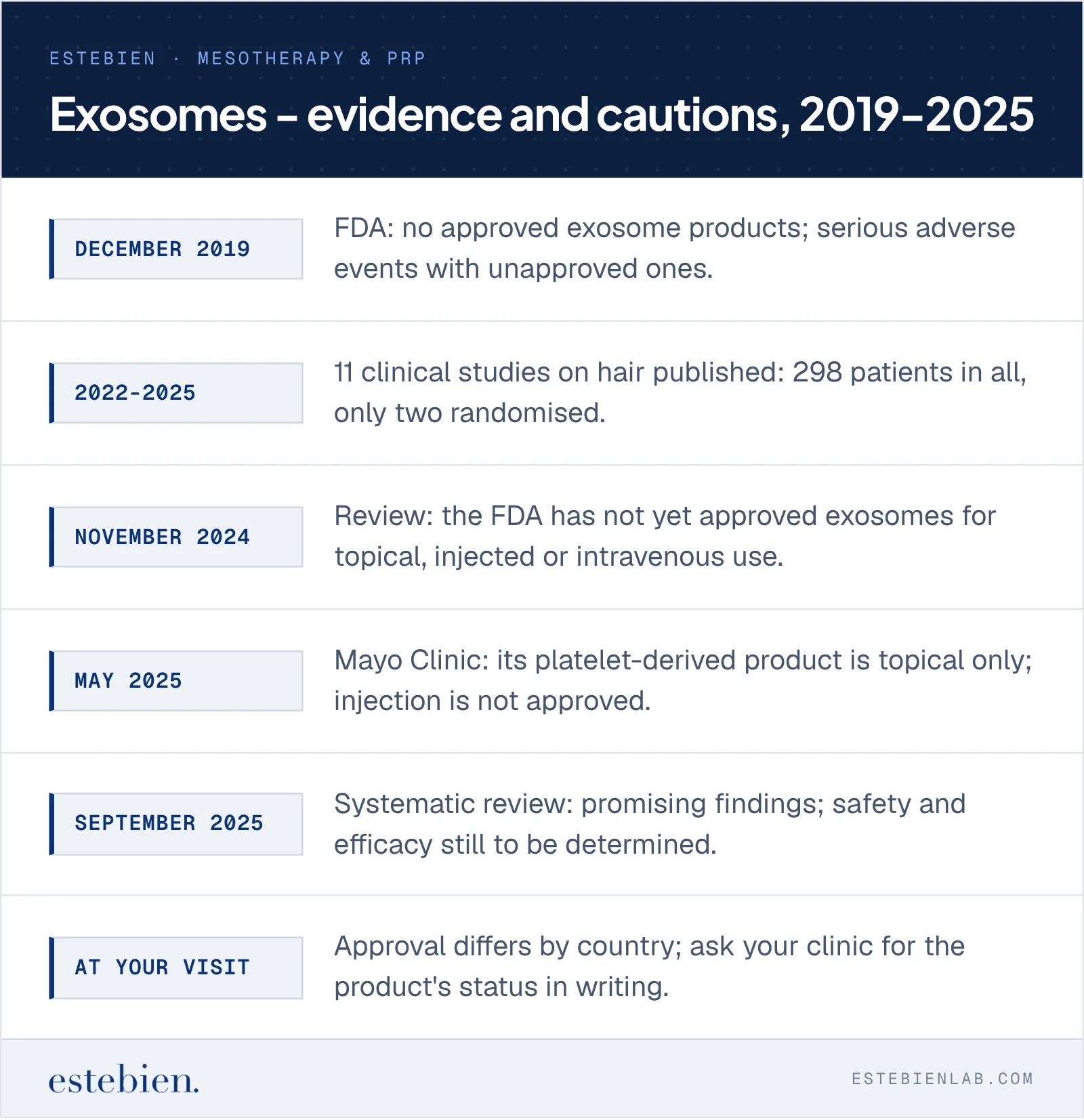
These statements have limits too: all belong to the dates given and mostly to the United States. The sources we read for this article say nothing about regulation in Turkey or in the country where you live; rules differ from country to country. The FDA notification itself advises anyone considering an exosome product in another country to learn about that country's regulations and to be cautious.
What are the risks and unknowns of exosome treatment?
The adverse events reported in clinical studies were mild and transient, but those studies are small and short. The serious events behind the FDA's 2019 notification occurred with unapproved products. The Mayo Clinic article also stresses that product quality, donor source and storage are critical.
The dermatology review lists the open questions: which cell source suits which condition, the dose and frequency, the most efficient route of administration and long-term risks. It also notes that exosomes change the biological response of the cells that receive them, and says that in over-the-counter cosmetics with added exosomes the quantity, purity and safety are undefined, because there is no regulation or post-marketing surveillance.
One difference from PRP shows here too: the ISHRS notes that PRP is obtained from the patient's own body, which eliminates the risk of blood-borne or tissue-borne pathogens. General advice for the days after a procedure is in our article on aftercare for PRP and mesotherapy; the sources we read give no separate aftercare instructions for exosomes, so your clinic's written instructions are what count.
What should you ask a clinic before exosome treatment?
Exosome treatment is a medical procedure: the physician who examines you decides whether it should be done, and it is not done at home. Questions to take to the consultation:
- What is causing my hair loss, and are there more established options for that cause?
- What is the name of the product and who makes it; what source do the exosomes come from?
- What is the product's registered status in this country, and does that cover applying it to the scalp in this way?
- Will the product be applied to the skin or injected, and why that route?
- How many sessions are planned, what is the plan based on, and when and how will the result be assessed?
- What side effects have been reported, and whom do I contact, and how, if there is a problem?
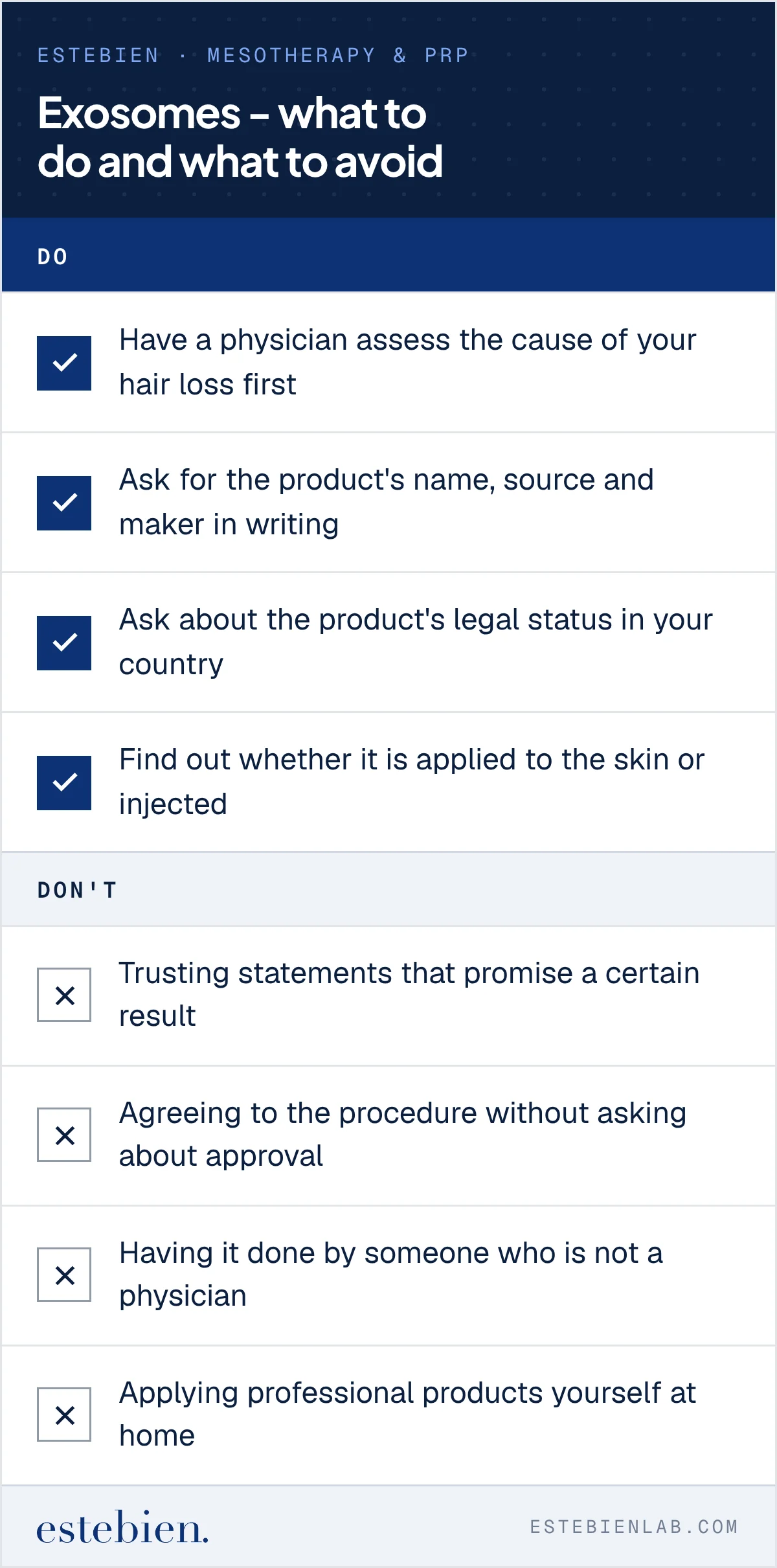
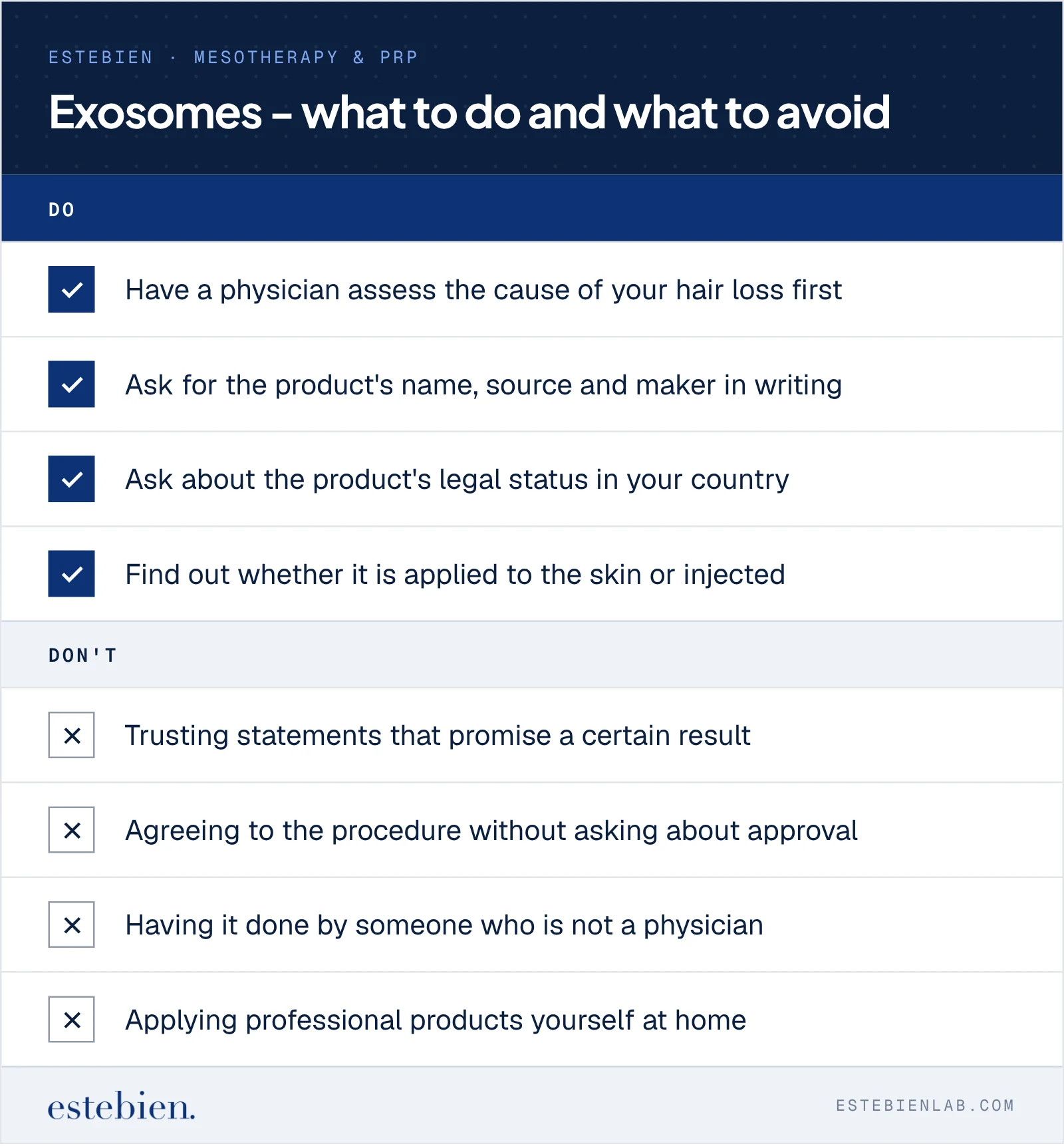
The advice the ISHRS gives for PRP is worth keeping in mind for exosomes too: look for experience and reputation, not the cheapest or the most expensive office, and be wary if only expensive treatments are recommended.
What do clinics look at when choosing tubes?
This section is for clinics and healthcare professionals. The Estebien Mesotherapy & PRP line consists of three boxes. The products are for professional use only and, according to their product pages, are to be used only by qualified healthcare professionals, following the directions on the packaging.
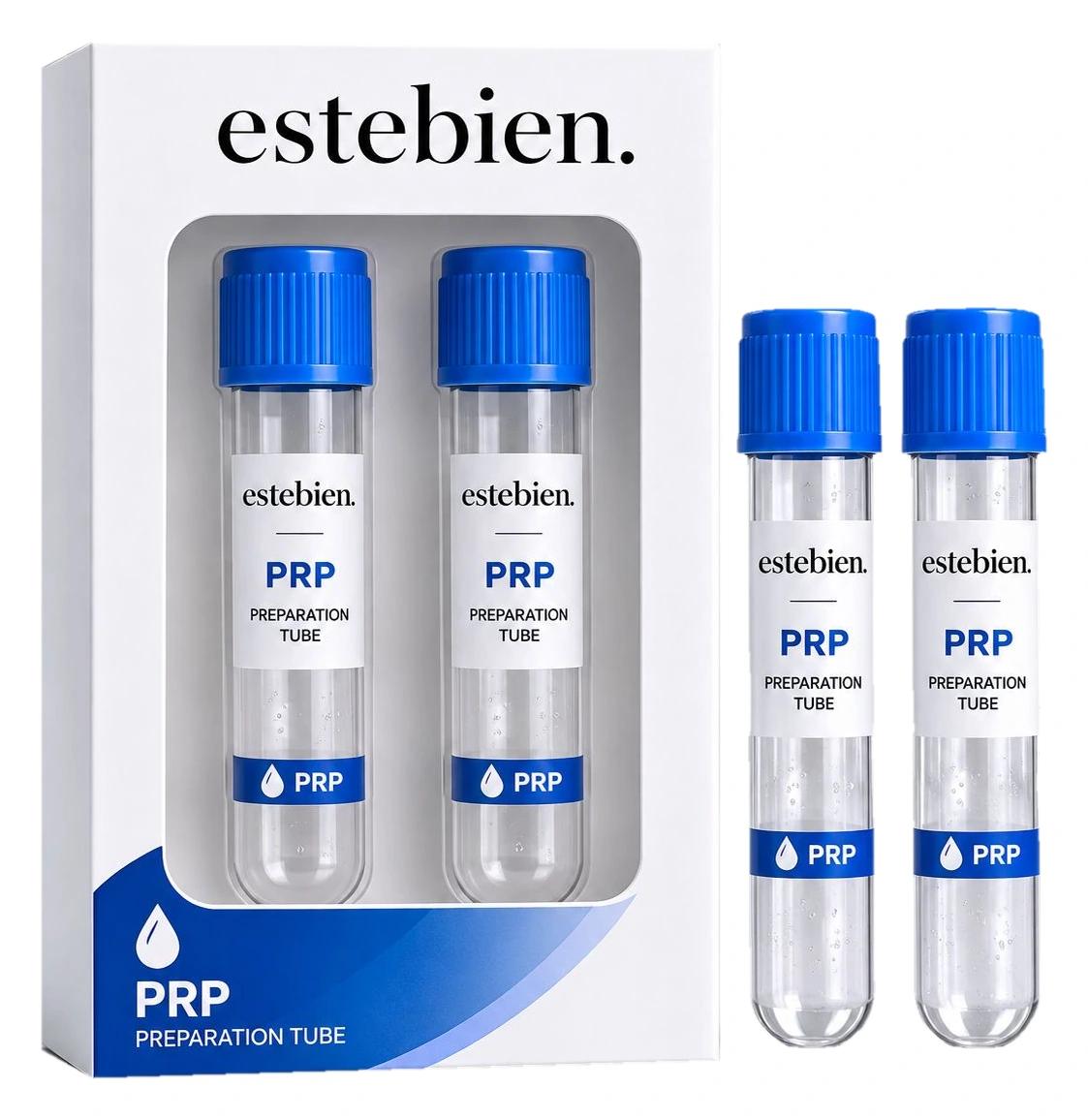
| Box | Tubes inside | What the product page says |
|---|---|---|
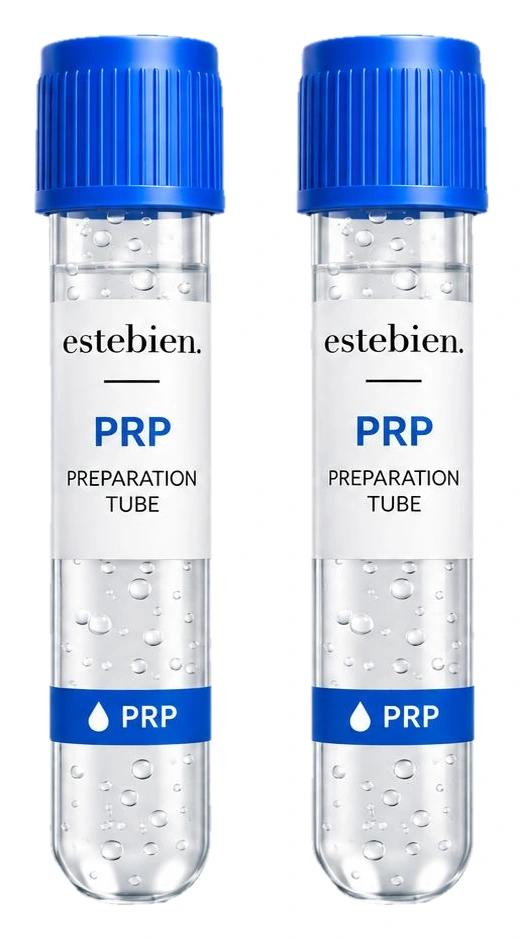
| PRP Preparation Tube | Two blue-capped PRP Preparation Tubes | For professional use only. |
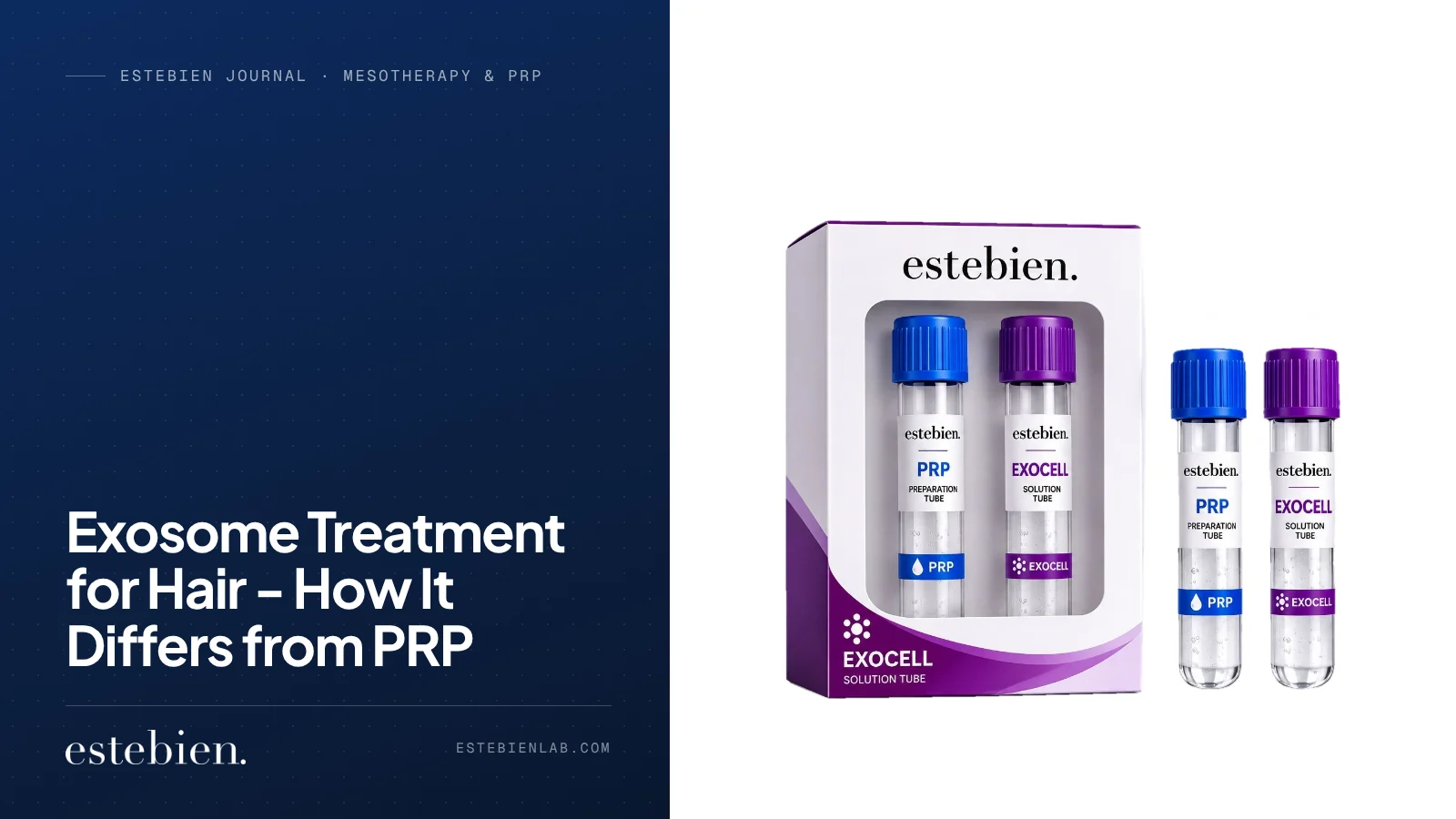
| Exocell Solution Tube | One PRP Preparation Tube and one purple-capped Exocell Solution Tube | For professional use only; technical information is on the packaging. |
| Meso Solution Tube | One PRP Preparation Tube and one green-capped Meso Solution Tube | For professional use only; technical information is on the packaging. |
For the Estebien Exocell Solution Tube, that is all the product page says. It does not state the composition of the solution, what it is derived from, its concentration, its regulatory status or any expected results; directions for use, storage conditions and technical information are on the packaging. The general information on exosomes and the research findings in this article should therefore not be read as a statement about this product's content or results.
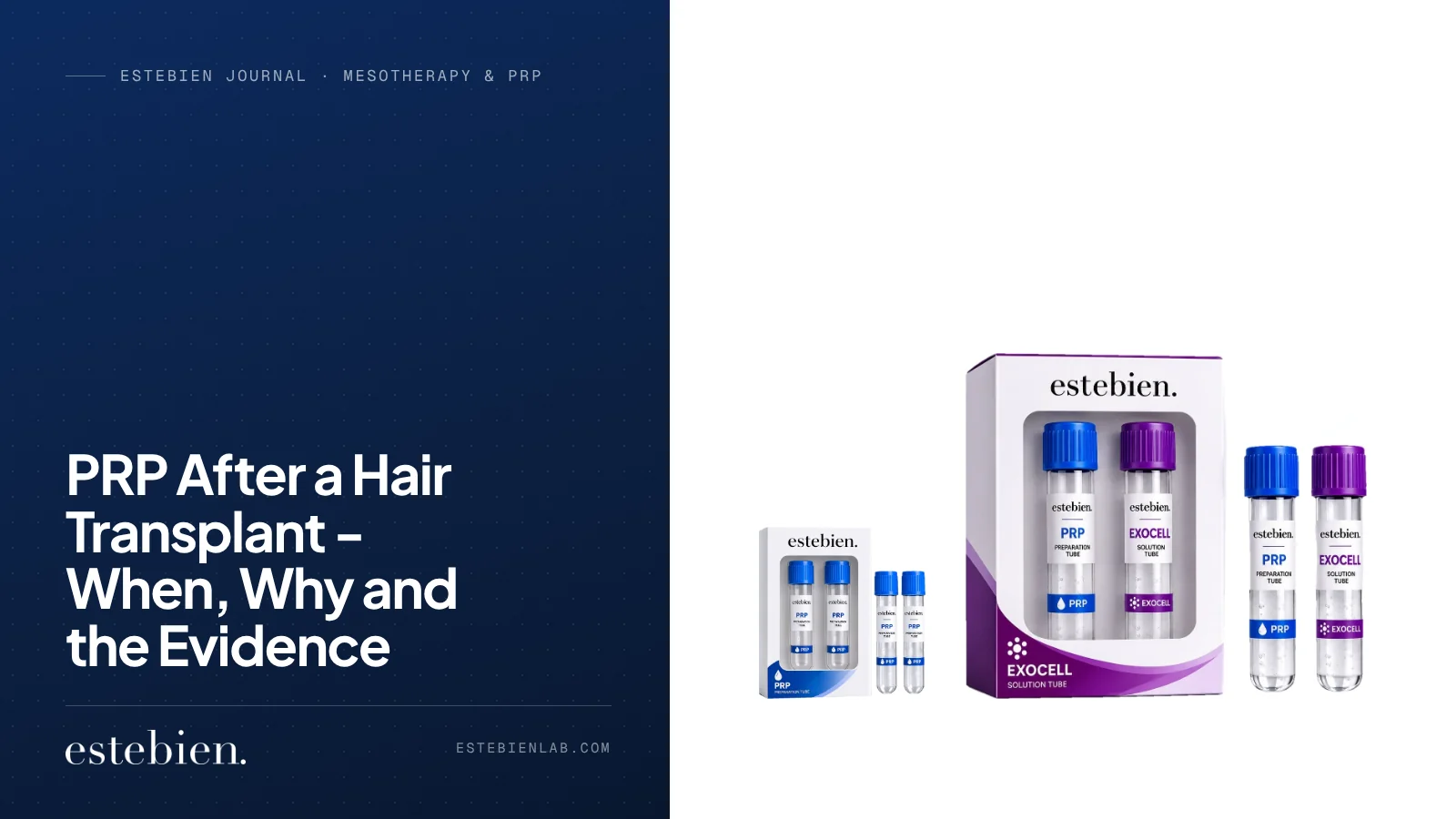
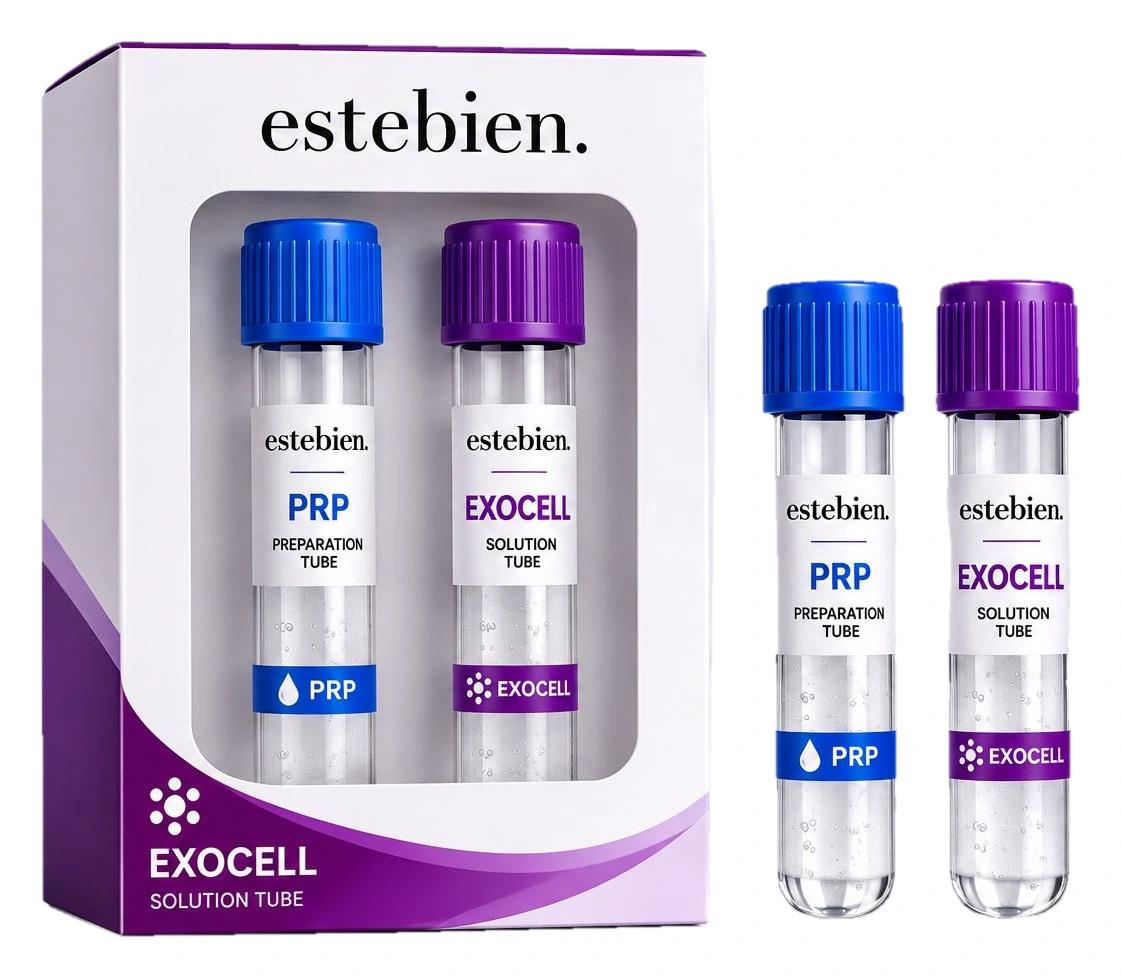
Estebien Exocell Solution TubeThe box contains one PRP Preparation Tube and one purple-capped Exocell Solution Tube. Part of the Estebien Mesotherapy & PRP line; for professional use only.View product These are the checkpoints the product pages give a clinic:
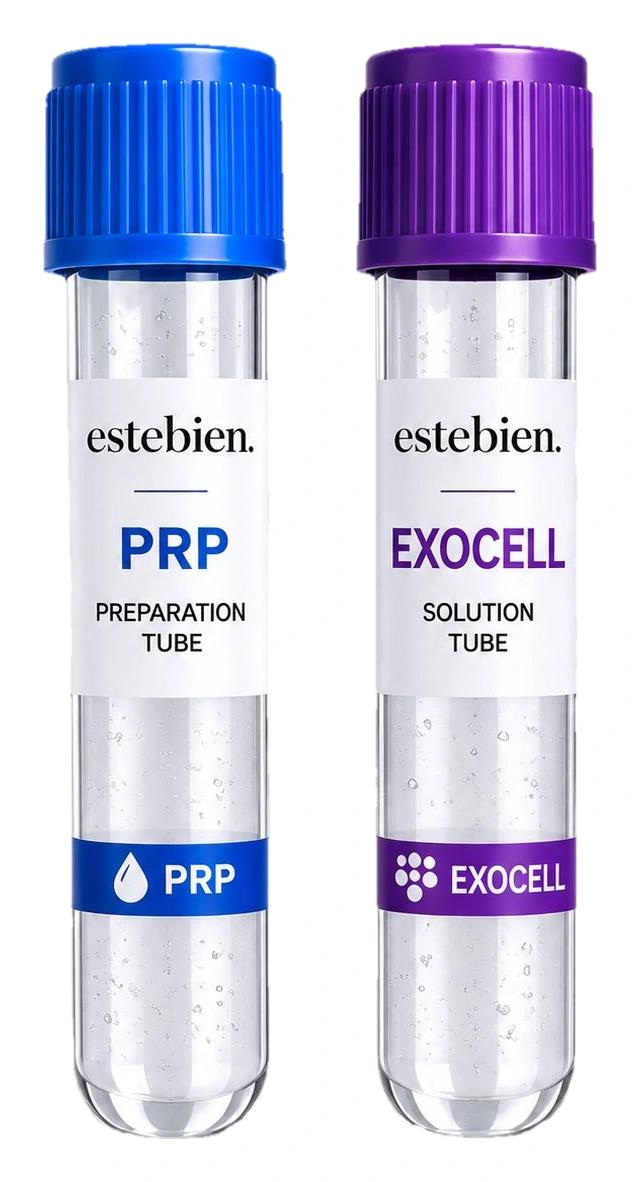
- Box contents. The product page states how many of which tube are in the box; the tubes are told apart by cap colour: blue for PRP, purple for Exocell, green for Meso.
- Intact packaging. A product whose packaging is damaged or has been opened is not used.
- Directions and warnings. The directions and warnings on the packaging are read before use.
- Storage. Storage conditions are given on the packaging; the products are kept out of reach of children.
- Supply. The products are offered on a quotation basis; contact us from the product page for information.
There are also questions the product pages do not answer: the volume and material of the tubes, the composition of the solutions and the regulatory registration of the products are not on the pages. For these, read the packaging and contact us from the product page for information.
Estebien PRP Preparation TubeThe box contains two blue-capped PRP Preparation Tubes. Part of the Estebien Mesotherapy & PRP line; for professional use only.View product 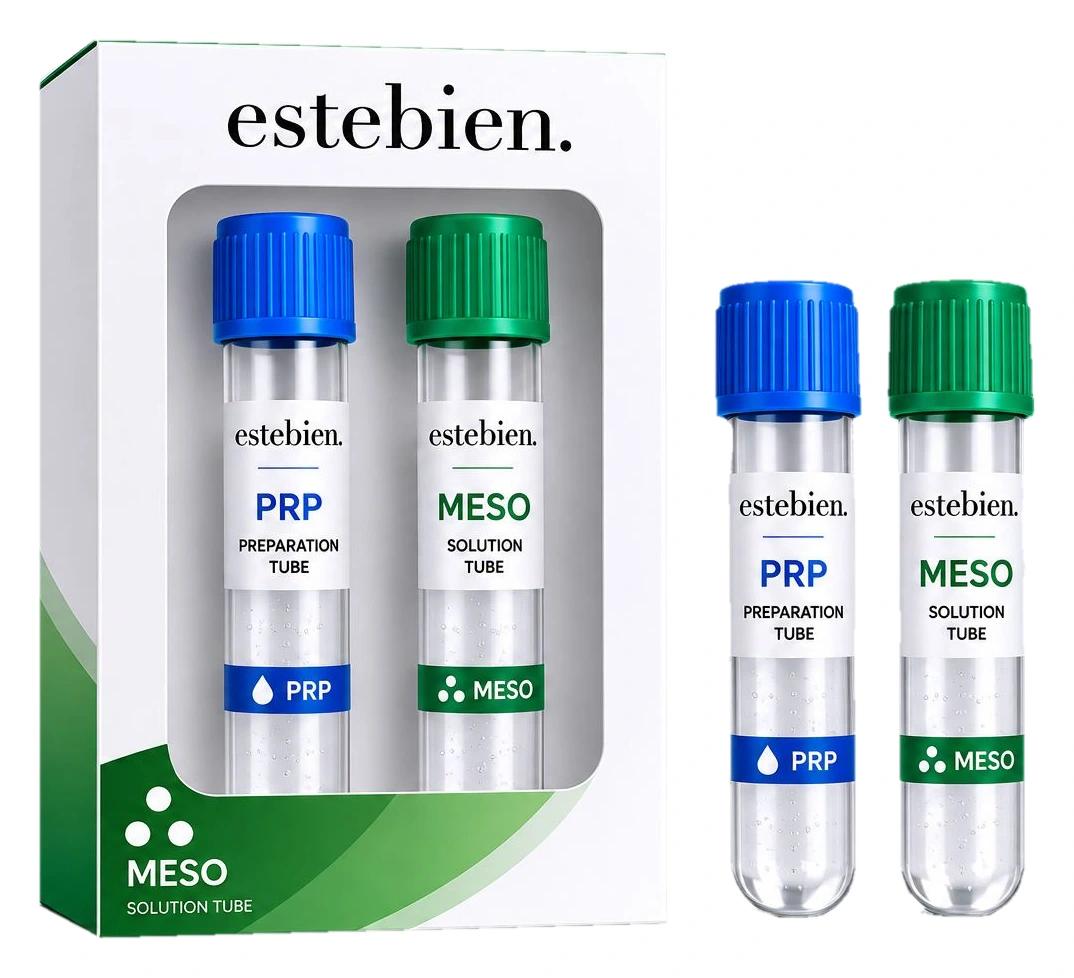
When should you see a doctor?
The first step is a diagnosis, not a procedure. If your hair loss has just started, has speeded up or has no known cause, see a dermatologist before discussing exosomes, PRP or any other procedure.
In short, exosomes come from a different source than PRP, the evidence for hair is still early, and approval differs by country. Make the decision with your physician, with the product's source and legal status in writing. Clinics and healthcare professionals can look at the box contents on the Mesotherapy & PRP line page.
Frequently Asked Questions
- Are exosomes the same as stem cells?
- No. Exosomes are vesicles released by cells; Mayo Clinic says they are not alive and do not replicate. Most of the exosomes used in hair studies came from mesenchymal stem cells, but exosome therapy is regarded as a cell-free method.
- Is blood drawn for exosome treatment?
- Blood has to be drawn for PRP, because it is prepared from the person's own blood. The ISHRS lists exosomes among exogenous sources; ask your clinic whether any blood or tissue will be taken from you for the product it uses.
- Is exosome treatment approved for hair loss?
- None of the sources we read mentions an exosome product approved for hair loss. In December 2019 the FDA announced that there were no approved exosome products, and a November 2024 review says the FDA has not yet approved exosomes. The position may differ in other countries; ask your clinic.
- Are exosomes more effective than PRP?
- There is not enough data to say so. A 2025 systematic review calls the comparison preliminary and notes that the exosome studies are small and short. Your physician decides which, if either, suits you.
- How many sessions does exosome treatment take?
- There is no standard number. Clinical studies have used plans ranging from a single session to weekly sessions for 12 weeks; ask your physician about the plan proposed for you and what it is based on.
- Does exosome treatment have side effects?
- Studies have reported mild and transient effects such as scalp irritation, redness, swelling, itching and headaches. Long-term data are limited, and in 2019 the FDA announced reports of serious adverse events with unapproved exosome products.
- What is in the Exocell Solution Tube box?
- One PRP Preparation Tube and one purple-capped Exocell Solution Tube. The product page does not state the composition of the solution; directions for use, storage conditions and technical information are on the packaging.
- Can the Exocell Solution Tube be used at home?
- No. The Estebien Exocell Solution Tube is for professional use only and is to be used only by qualified healthcare professionals, following the directions on the packaging.
Sources
- Exploring the reality of exosomes in dermatologyAnais Brasileiros de Dermatologia (PubMed Central)
- Exosomes and Hair Regeneration: A Systematic Review of Clinical Evidence Across Alopecia Types and Exosome SourcesClinical, Cosmetic and Investigational Dermatology (PubMed Central)
- From Cells to Strands: A Systematic Review Comparing Exosome Therapy, Platelet-Rich Plasma, and Minoxidil for Androgenetic Alopecia TreatmentCureus (PubMed Central)
- Tapping into the potential of platelet-derived exosomes in aestheticsMayo Clinic
- PRP for Hair Loss: Procedure, Benefits & CostsInternational Society of Hair Restoration Surgery (ISHRS)
- Hair Transplant Forum International, Volume 30, Number 1 (reprint of the FDA Public Safety Notification on Exosome Products)International Society of Hair Restoration Surgery (ISHRS)
This article is for general information only and is not a substitute for medical advice. For decisions about your health, consult your doctor or dentist.