Soft Bristle Toothbrush - Who It Suits and How to Choose One
Why do dentists recommend soft bristles, and how do you choose, store and replace a toothbrush? A practical guide based on ADA, NHS and Cleveland Clinic pages.
- Reading time
- 11 min read
- Author
- Estebien Editorial Team
In short
- The American Dental Association (ADA) recommends soft bristles because they minimise the risk of gingival abrasion; the NHS finds medium or soft bristles best for most people.
- According to the ADA's MouthHealthy site, firm or even medium bristles may damage gums and enamel; the Cleveland Clinic lists hard brushing among the causes of gum recession.
- When choosing, look at bristle firmness first and then at whether the head fits your mouth; manual and powered brushes are both effective at removing plaque.
- Rinse the brush after every use, let it air dry upright, share it with no one and replace it every 3-4 months, or sooner if the bristles are frayed.
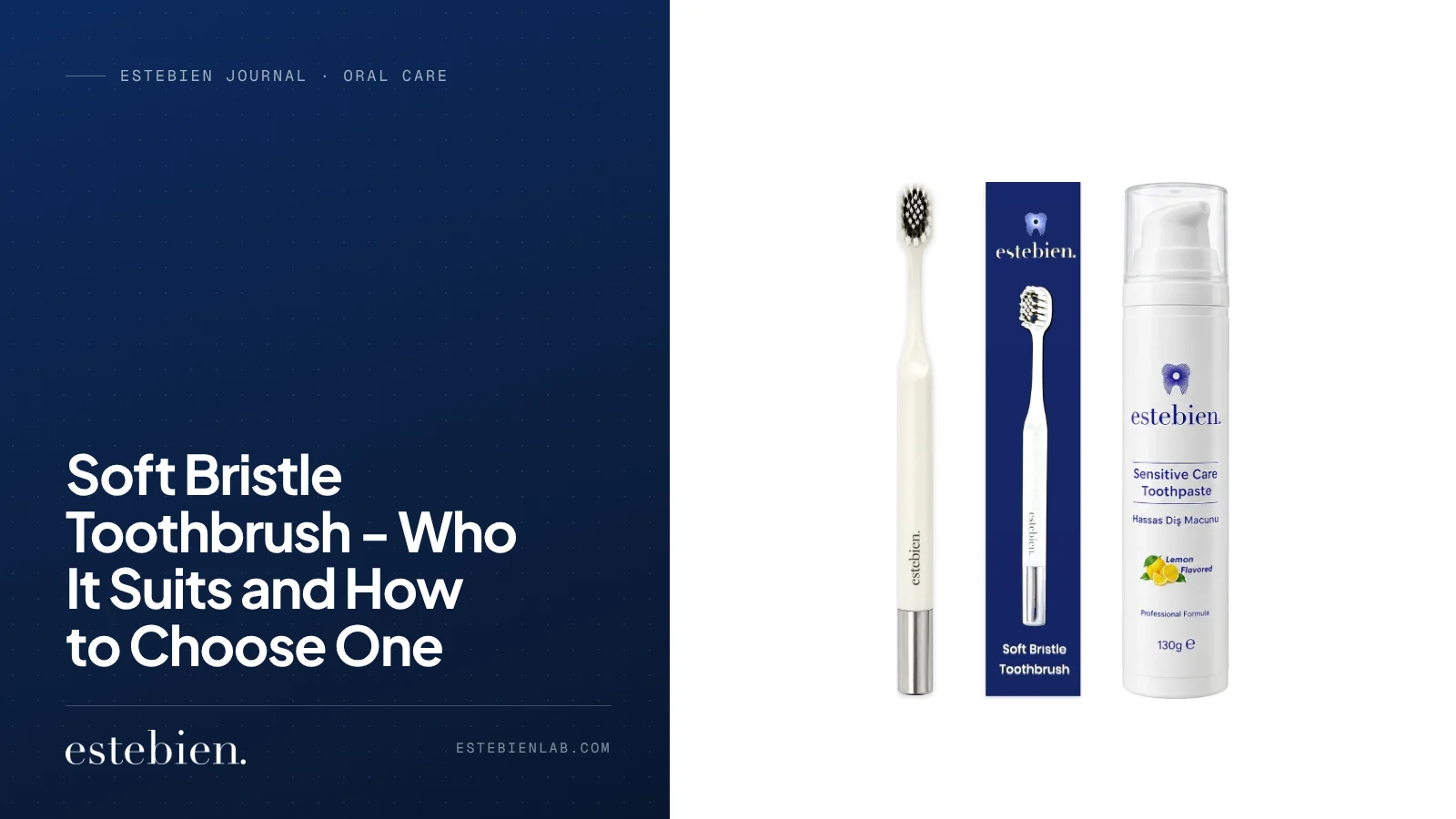
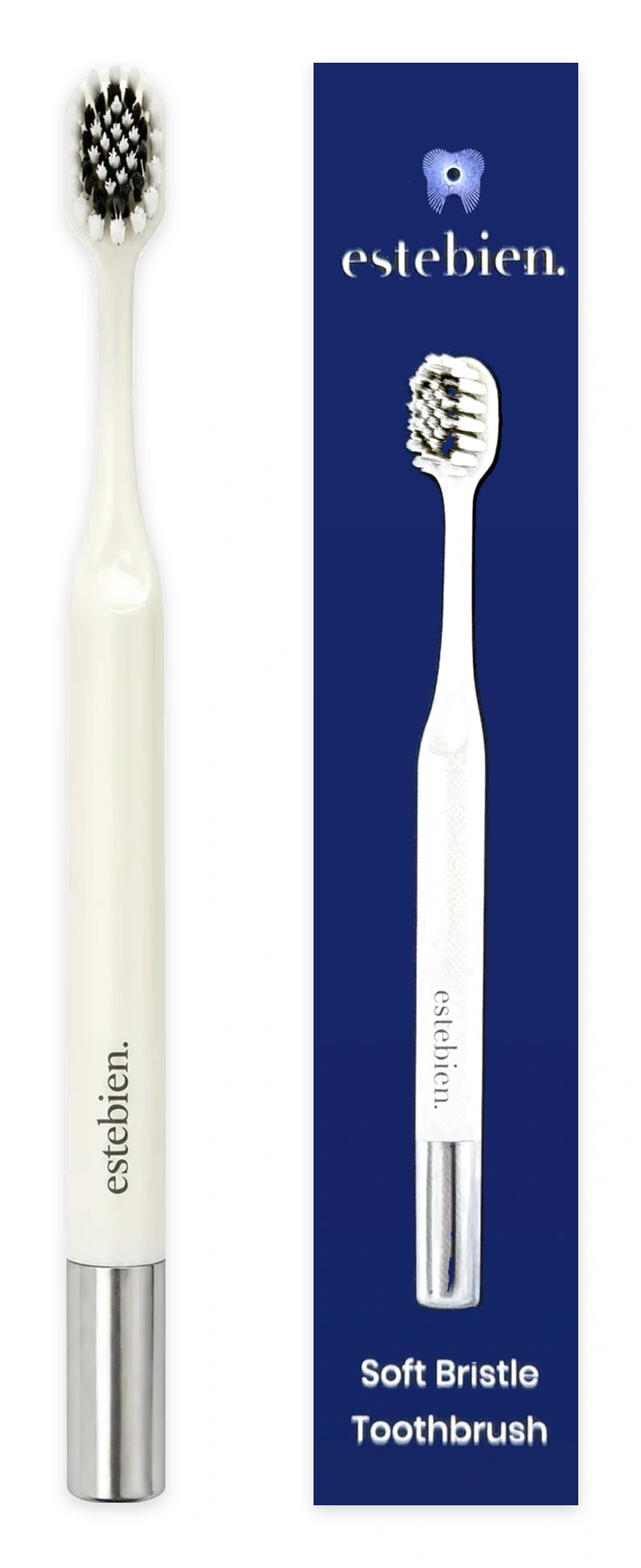
- The Estebien Soft Bristle Toothbrush has soft, black-and-white two-tone bristles, an off-white handle and a metal end cap, and is for personal use only.
A soft bristle toothbrush is the brush in the American Dental Association's (ADA) general recommendation: brush twice a day for two minutes with a toothbrush that has soft bristles. The reason given is that soft bristles minimise the risk of gingival abrasion, that is, wear of the gums. When you choose one, look for soft bristles and a small head that moves easily around your mouth; rinse the brush after every use, let it dry upright, and replace it every 3-4 months, or sooner if the bristles are frayed.
What is a soft bristle toothbrush, and why is it recommended?
On packaging the brush is marked "soft" or "soft bristle". This guide is about choosing, caring for and replacing the brush, not about brushing technique; the technique is covered step by step in how to brush your teeth properly.
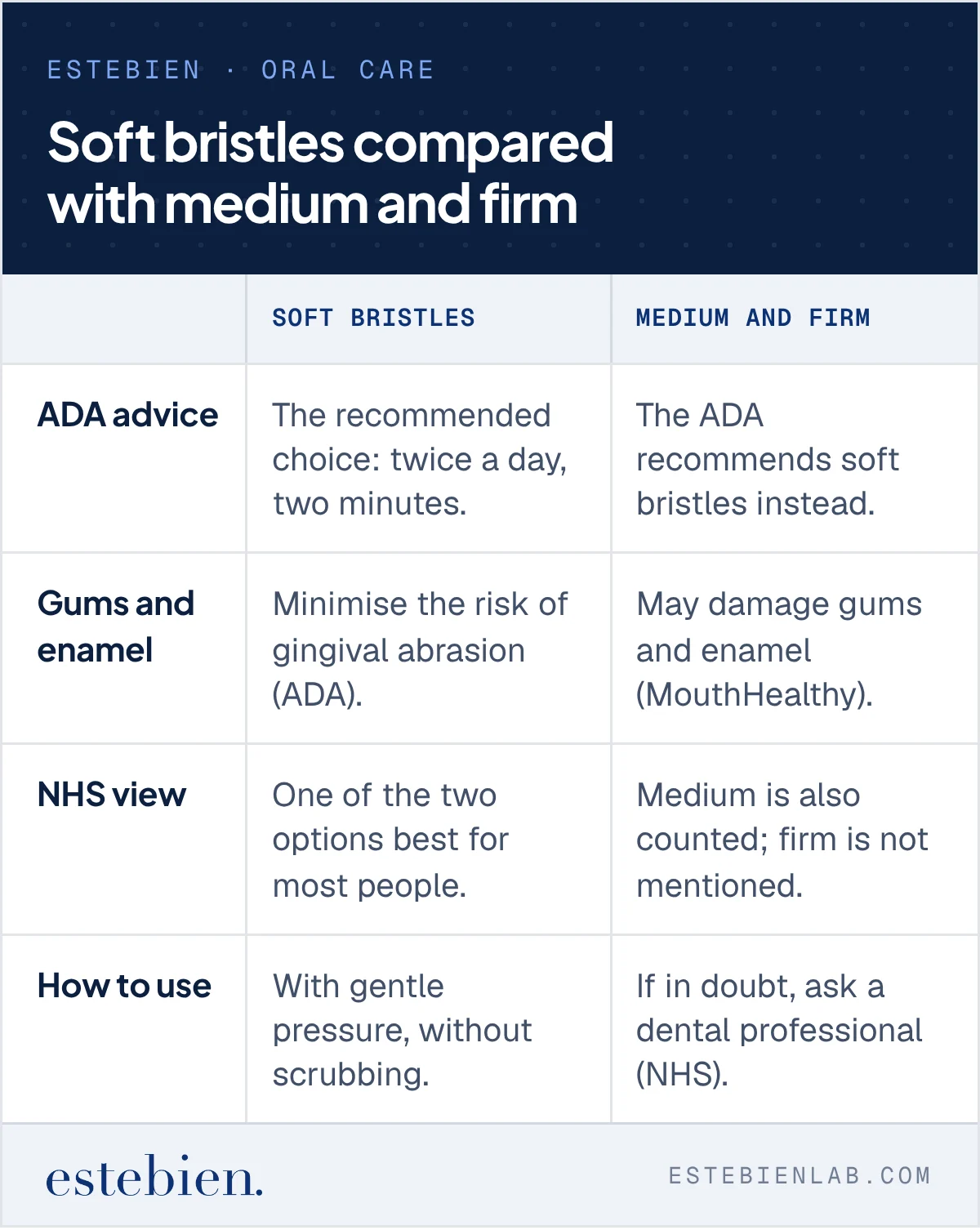
The ADA's page on toothbrushes sums up the consensus recommendation: brush for two minutes twice a day with a toothbrush that has soft bristles. According to the same page, medium bristles have also been shown to be effective at removing biofilm (plaque); the ADA nevertheless recommends soft bristles because they minimise the risk of gingival abrasion. The ADA also pairs soft bristles with gentle pressure: both may help reduce the risk of injury to the gums.
The UK's National Health Service (NHS) gives a slightly wider range. According to the NHS guide to keeping your teeth clean, medium or soft bristles are best for most people. The same guide sets a priority: cleaning your teeth thoroughly at least twice a day matters more than the type of brush you use. Soft bristles are where the two sources agree; medium bristles are where they differ.
What do firm bristles and hard brushing do to gums and enamel?
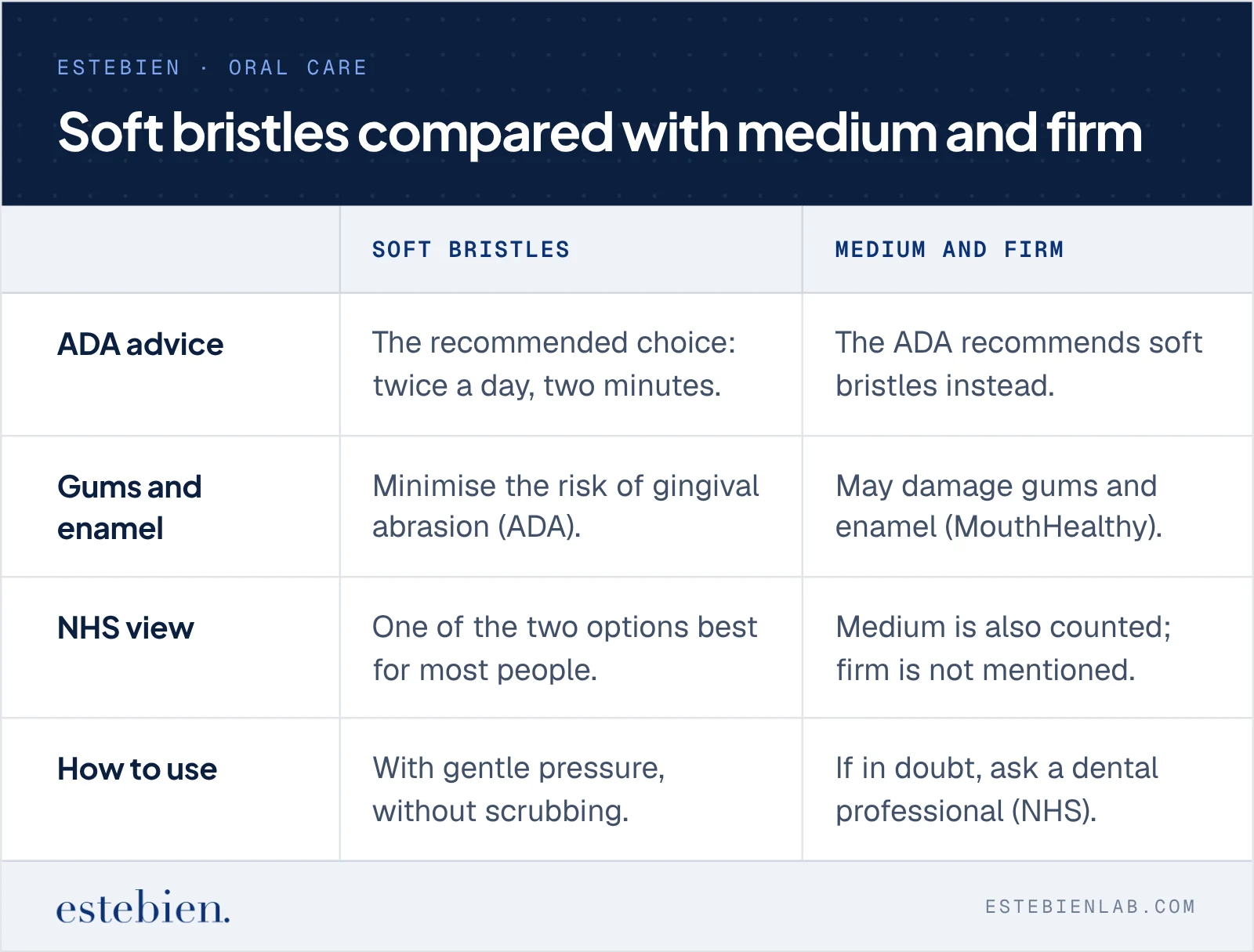
The ADA's patient site is plain about it: its MouthHealthy page on toothbrushes says firm or even medium-strength bristles may cause damage to your gums and enamel. The same page gives a measure for pressure: do not scrub vigorously, and brush only hard enough to clean the film off your teeth. The chart below sets the sources side by side.
On the gum side, the result has a name: gum recession. According to the Cleveland Clinic's page on gum recession, recession is when gum tissue pulls away from the teeth and exposes the roots, and its causes include brushing too hard or too aggressively. It is not the only cause: the same list includes plaque or tartar build-up, periodontal disease and tobacco use, and some people have a genetic predisposition to thin gum tissue.
The same page stresses two further points. Exposed roots are covered not by enamel but by cementum, which is not as strong, and that is why many people with recession have pain or sensitivity. Receding gums cannot grow back; what can be done is to keep them from getting worse. Among the habits that lower the risk, the Cleveland Clinic lists brushing thoroughly twice a day, flossing once a day and using a soft-bristled toothbrush. Other causes of sensitivity are in our guide to sensitive teeth.
Who is a soft bristle toothbrush suitable for?
The short answer: since the ADA's general recommendation is soft bristles, anyone whose dentist has not advised otherwise. In some situations the sources mention soft bristles specifically or add a condition; the table matches these with what the source pages say.
| Situation | What the source says | Note |
|---|---|---|
| Adults with no particular complaint | ADA: twice a day, two minutes, soft bristles. NHS: medium or soft bristles for most people. | If in doubt, ask a dental healthcare professional. |
| People with gum recession, or who want to lower the risk | The Cleveland Clinic lists a soft-bristled toothbrush among the habits that lower the risk. | Receding gums do not grow back; get examined if you notice signs. |
| People with braces | Cleveland Clinic: at least twice a day with a soft-bristled toothbrush and fluoride toothpaste. | The ADA notes a powered brush may be easier to use; the orthodontist's instructions come first. |
| Children | ADA: a child-sized toothbrush with soft bristles and a small head. | The NHS says children need help or supervision until at least age 7. |
| People who have had a tooth removed | Cleveland Clinic: no brushing directly over the site until the dentist says so; all other areas as normal. | The dentist's own instructions come first. |
What should you look for when choosing a toothbrush?
There are four things to look at in a brush: bristle firmness, the head, the bristle arrangement and whether it is manual or powered. The table sets what the ADA and the NHS say on each side by side.
| Feature | ADA | NHS |
|---|---|---|
| Bristle firmness | Soft bristles; they minimise the risk of gingival abrasion. | Medium or soft bristles for most people. |
| Head | For children, a head small enough to move easily around the mouth and reach all tooth surfaces; no size is given for adults. | A small head for most adults. |
| Bristle arrangement | One systematic review found that multi-level or angled bristles remove plaque better than conventional flat-trimmed bristles. | A compact, angled arrangement of long and short round-end bristles. |
| Manual or powered | Both are effective at removing plaque. | Both are equally good; some people find it easier to clean thoroughly with an electric one. |
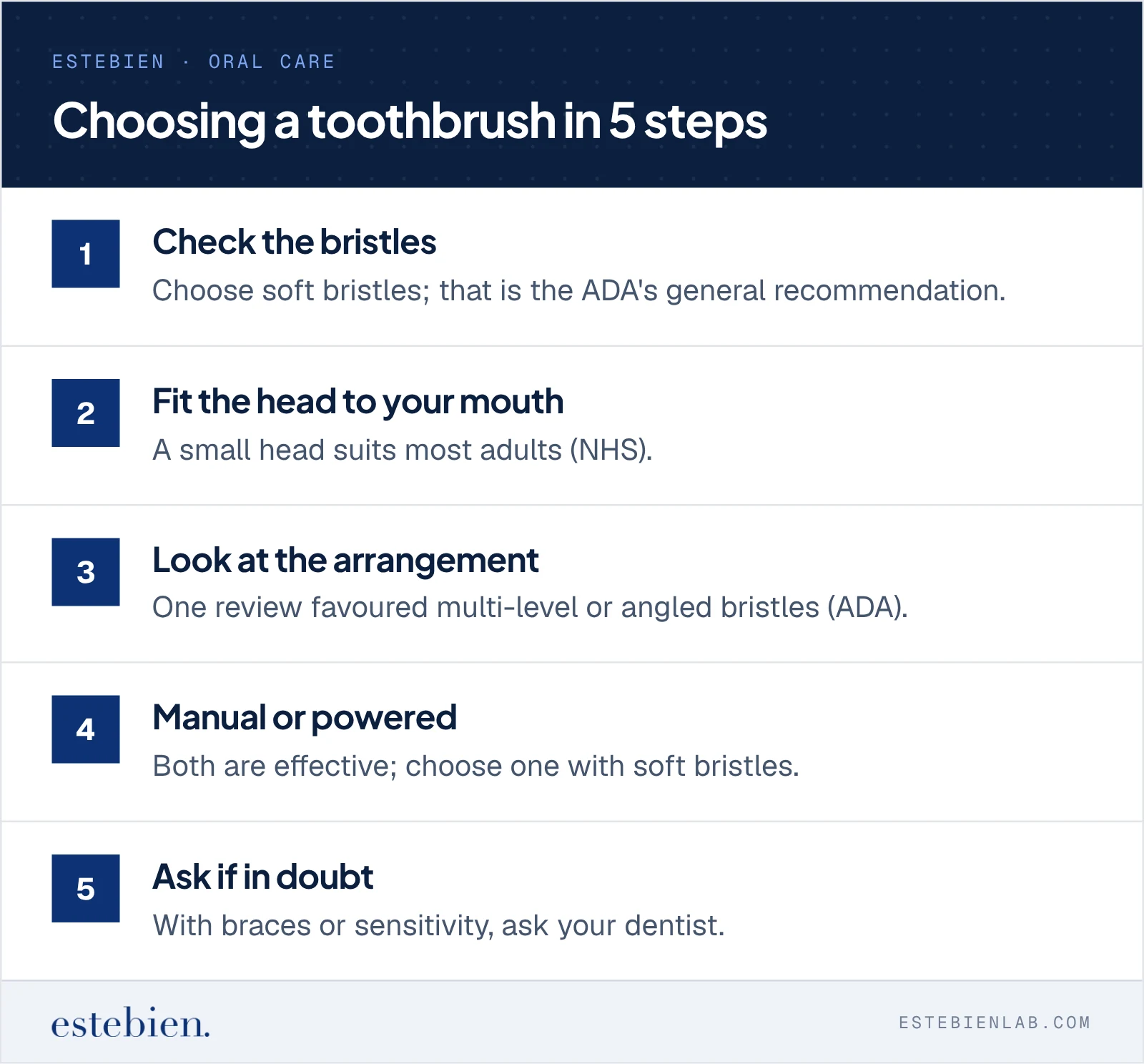
In practice the order is: bristle firmness first, then the head, then the bristle arrangement, and manual or powered last. The graphic below sums it up in five steps.
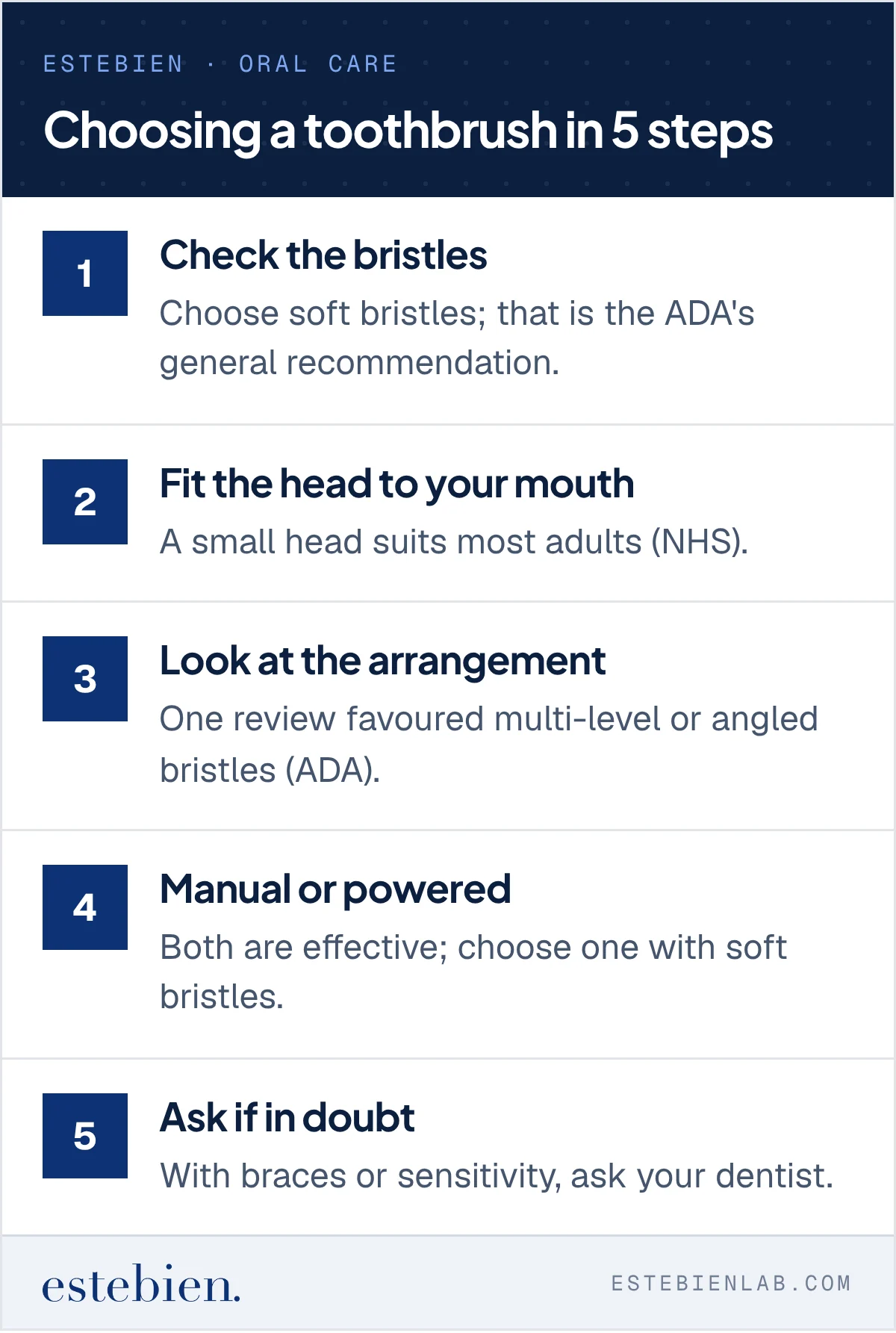
On manual versus powered, the sources meet in the same place: MouthHealthy sums it up by saying your teeth do not care which, and asks for soft bristles whichever you choose. The ADA adds one detail: people with dexterity problems (the elderly, people with disabilities, children) and people with dental appliances such as braces may find a powered toothbrush easier to use.
For the handle, the ADA and NHS pages we read recommend no particular shape or material; the only note that touches on grip is the ADA sentence above. The choice of handle therefore comes down to personal comfort.
What kind of brush is the Estebien Soft Bristle Toothbrush?
The Estebien Soft Bristle Toothbrush is the toothbrush of the Estebien oral care line: it has soft bristles in two tones, black and white, an off-white handle and a metal end cap. According to its product page it is for the daily oral care routine and for personal use only; it is not shared. The directions are three sentences long: brush your teeth at least twice a day for about two minutes; after use, rinse the brush and leave it upright to dry; replace it when the bristles become worn.

These directions run along the same lines as the general advice above. For technical details such as head size or bristle properties, contact us for information. The brush is listed with the other oral care products.
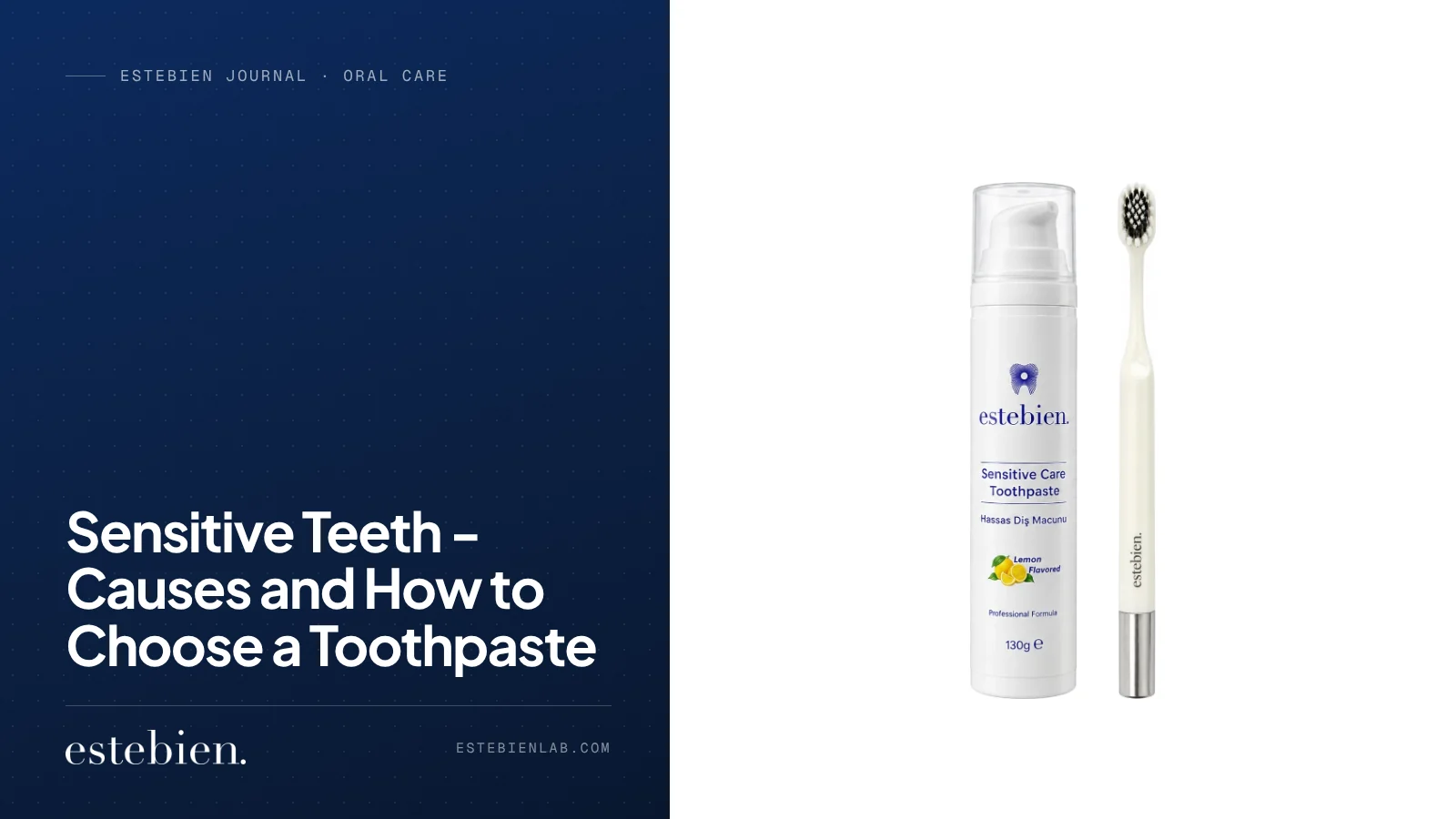
Estebien Soft Bristle ToothbrushThe Estebien toothbrush with an off-white handle, a metal end cap and two-tone bristles.View product A brush needs a toothpaste beside it. Estebien Sensitive Care Toothpaste is a lemon-flavoured toothpaste developed for sensitive teeth; its 130 g pump dispenser makes dosing easy, and according to its product page it is for adults with sensitive teeth. Its directions contain two details that concern the brush: teeth are brushed twice daily for at least 2 minutes using gentle circular motions, and the toothbrush is replaced regularly or as recommended by your dental professional.
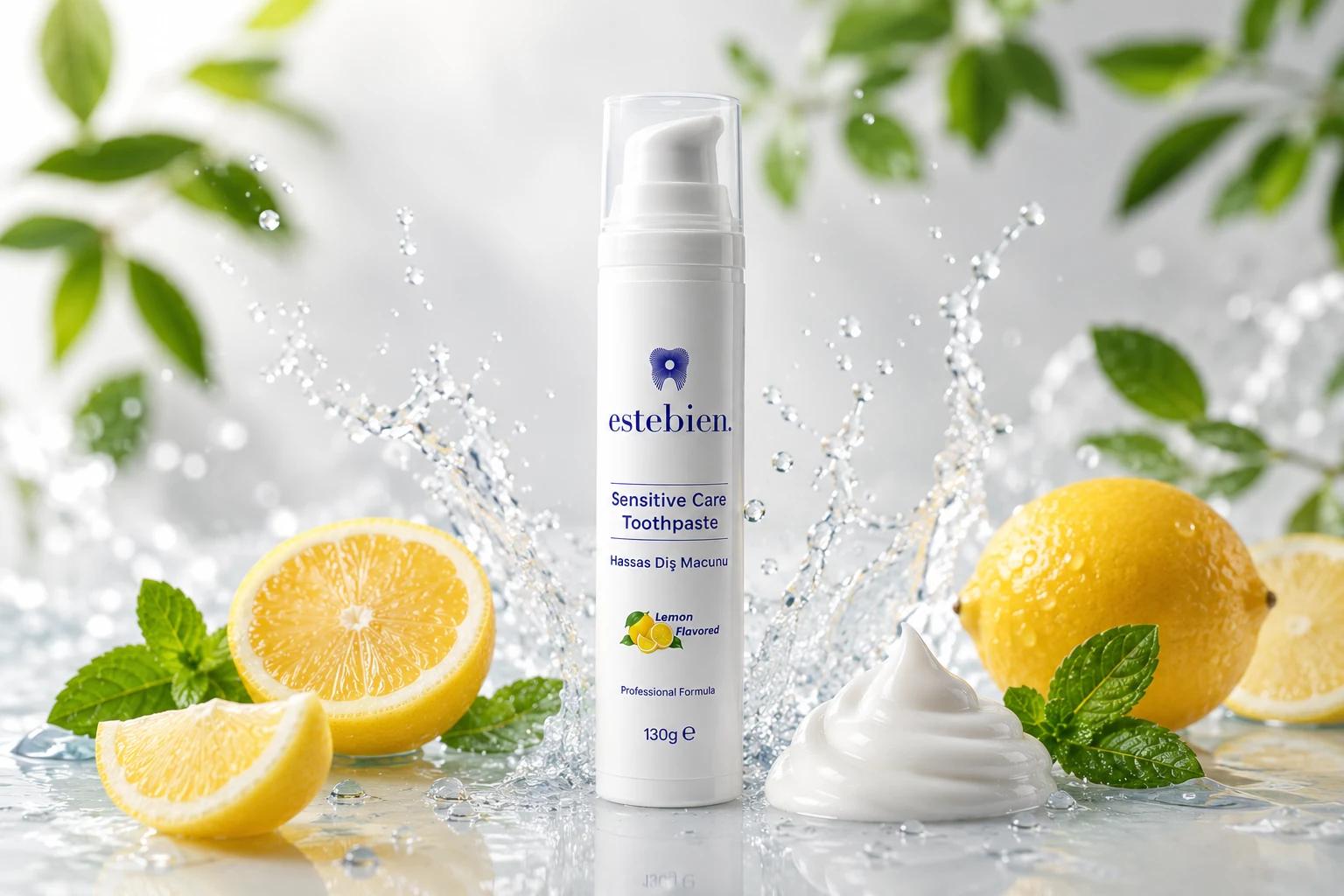
The ADA and the NHS base their general advice on fluoride toothpaste; the NHS recommends that adults use one containing at least 1,350 ppm fluoride. Sensitive Care Toothpaste is fluoride-free according to its ingredient list. If a fluoride toothpaste has been recommended to you, make the choice with your dentist. All of its warnings are on the product page and packaging; it is listed in the toothpastes category.
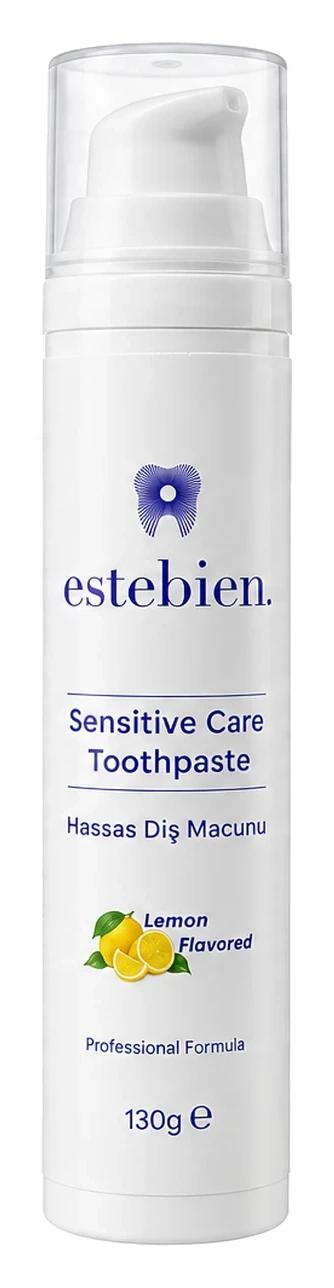 Estebien Sensitive Care Toothpaste Lemon Flavored 130 gLemon-flavoured sensitive care toothpaste with a professional formula, in a 130 g pump dispenser.View product
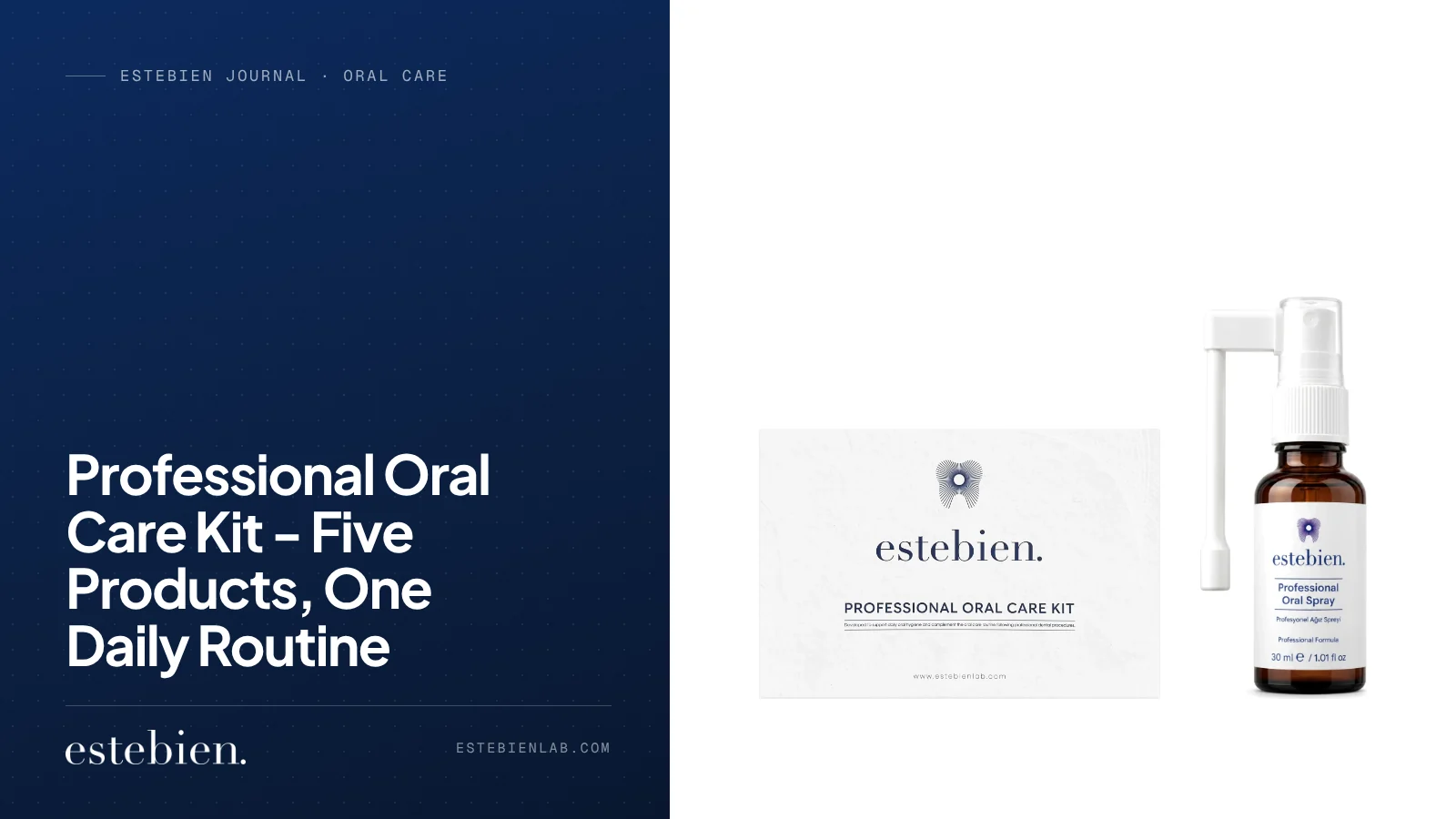
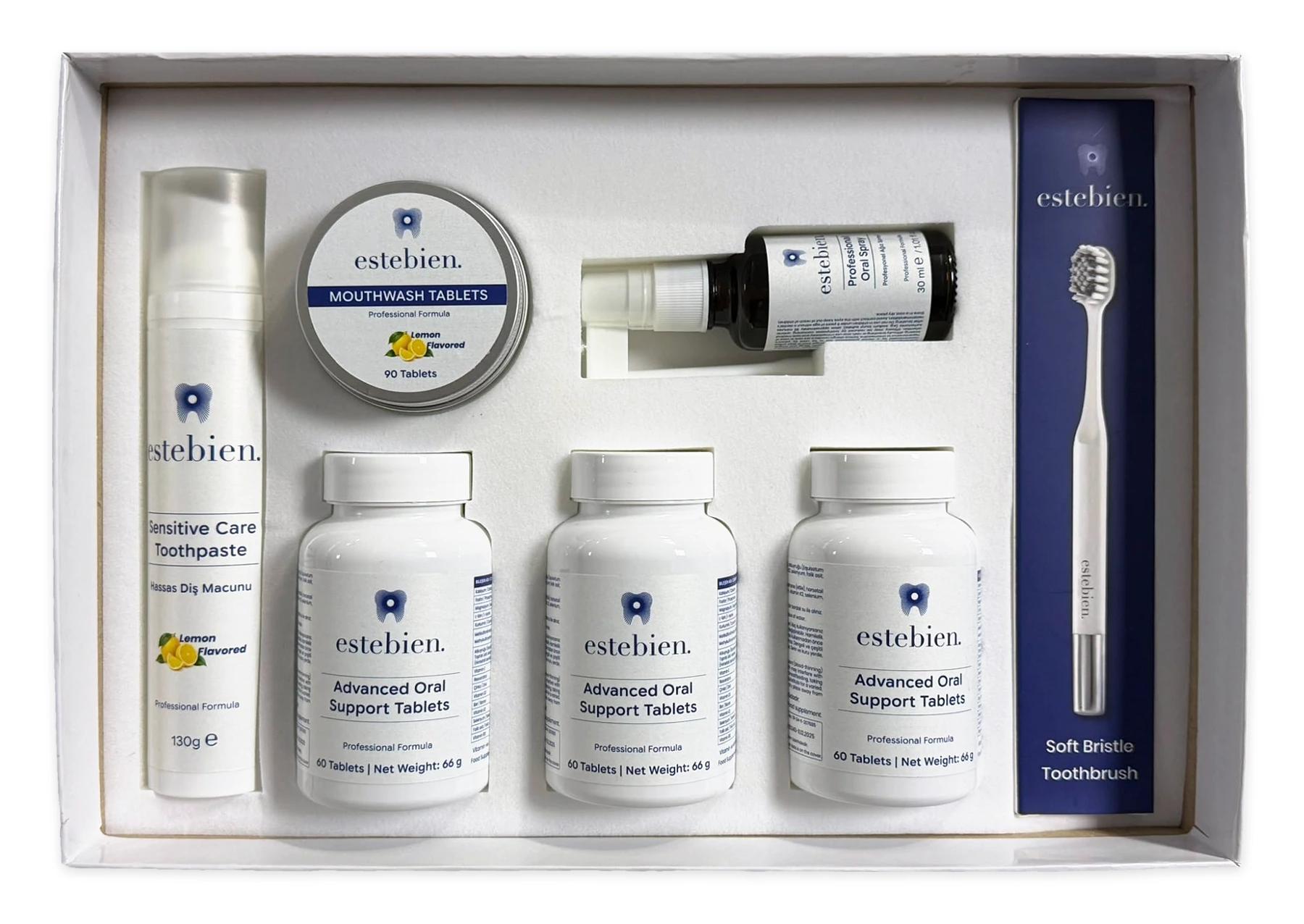
The brush and the toothpaste are also part of the Estebien Professional Oral Care Kit; the kit holds 1 brush. The order of use of its five products is set out in our guide to the Professional Oral Care Kit.
How do you clean and store a toothbrush?
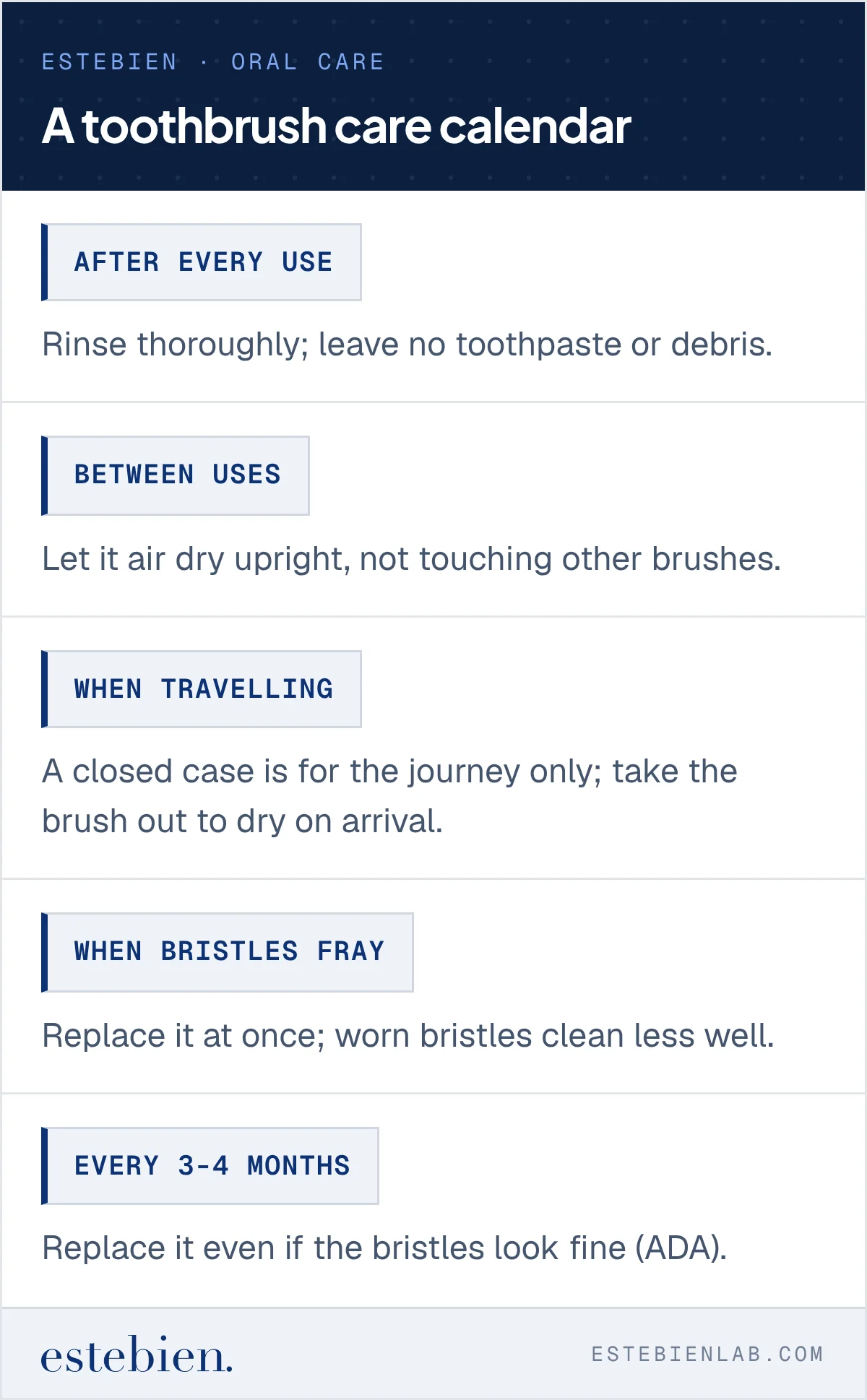
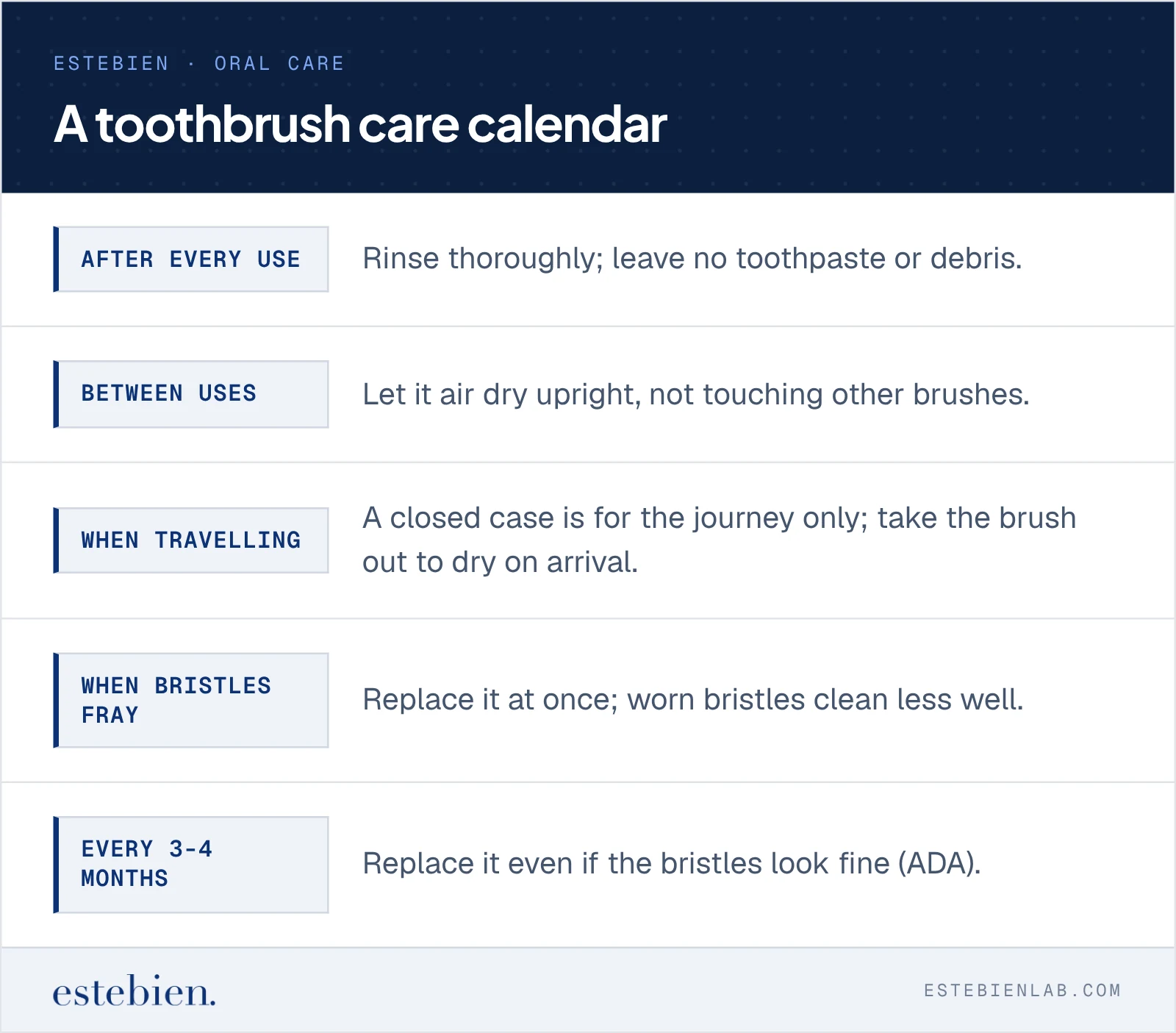
The ADA's care advice is short. Rinse the brush thoroughly after each use so that no toothpaste or debris is left on it. Store it upright and let it air dry: according to the ADA, storing a moist toothbrush in a closed container promotes microbial growth more than leaving it exposed to the open air. MouthHealthy likewise says not to routinely cover toothbrushes or store them in closed containers.
On bacteria the ADA paints a calm picture: toothbrushes have been shown to harbour bacteria, but there is no evidence that these bacteria cause adverse health effects. Putting a toothbrush in the microwave or the dishwasher is not recommended, because such high heat may damage the brush. On sharing, the advice is clear: according to the ADA, sharing a toothbrush could result in an exchange of bodily fluids and microorganisms between people. The warning on the Estebien Soft Bristle Toothbrush product page says the same: for personal use only; do not share.
When should you replace a toothbrush?
The ADA's measure has two conditions: replace your toothbrush approximately every 3-4 months, or more often if the bristles are visibly matted or frayed. The reason is simple: the effectiveness of the brush decreases as the bristles become worn. MouthHealthy gives the same interval. That means 3-4 brushes a year.
The Estebien Soft Bristle Toothbrush directions give the criterion in a few words: replace the brush when the bristles become worn. The 3-4 months is the ADA's general interval to set beside that criterion: replace the brush by the end of the fourth month even if the bristles look fine, and without waiting if they are frayed.
How do you choose a brush with braces, after an extraction and for children?
While wearing braces
According to the Cleveland Clinic's page on braces, oral hygiene is even more important when you wear braces: plaque and tartar can build up around the brackets and wires, which can lead to cavities and gingivitis. Its general guidelines include brushing at least twice a day using a soft-bristled toothbrush and fluoride toothpaste, and flossing between the teeth and around the braces once a day. Your dentist or orthodontist gives you the detailed list of instructions.
After an extraction and other dental work
The Cleveland Clinic's page on tooth extraction says this: avoid brushing directly over the extraction site until your dentist tells you it is safe to do so, and brush and floss all other areas normally. After an implant or any other procedure, ask the dentist who carried it out which brush to use and when; this guide does not replace those instructions.
For children
According to the ADA, brushing begins as soon as the first tooth erupts, and a child's brush should be child-sized: soft bristles and a head small enough to move easily around the mouth and reach all tooth surfaces. According to the NHS guide, children need to be helped or supervised brushing their teeth until they are at least 7 years old. For your child, choose a child-sized brush that is right for their age. According to its product warning, Sensitive Care Toothpaste is not to be used in children under 6 years of age unless recommended by a dental professional.
When should you see a dentist?
The right brush makes daily care easier; it does not take the place of an examination. According to the Cleveland Clinic, if your tooth roots are more visible than they used to be, or if your teeth have become more sensitive, you could have gum recession, and it is important to call your dentist at the first sign. For bleeding and swollen gums, see our article on gum health.
In short: choose a brush with soft bristles and a head that fits your mouth, use it with gentle pressure, dry it upright and replace it every 3-4 months. Our daily oral care routine shows where the brush comes in during the day. You can look at the product on the Estebien Soft Bristle Toothbrush page and contact us for information if you have questions.
Frequently Asked Questions
- Does a soft bristle brush clean teeth well enough?
- The ADA's recommendation of brushing twice a day for two minutes is made with a soft-bristled toothbrush. The NHS adds that cleaning thoroughly at least twice a day matters more than the type of brush. By MouthHealthy's measure, brushing only hard enough to clean the film off your teeth is enough.
- Is it wrong to use a medium brush?
- The sources differ here. The NHS finds medium or soft bristles best for most people; the ADA notes that medium bristles are effective at removing plaque but recommends soft ones because they minimise the risk of gingival abrasion. If your gums are receding or you are unsure, ask your dentist.
- Should a powered brush head have soft bristles too?
- Yes. MouthHealthy advises choosing a soft-bristled brush whether you use a manual or a powered toothbrush.
- Do you need to disinfect a toothbrush?
- According to the ADA, toothbrushes have been shown to harbour bacteria, but there is no evidence that these cause adverse health effects. The basic care is to rinse the brush thoroughly after each use and let it air dry upright. The microwave and the dishwasher are not recommended; such high heat may damage the brush.
- Can a family's toothbrushes stand in the same cup?
- According to MouthHealthy, if you store your toothbrush with other toothbrushes, make sure they are separated to prevent cross contamination. The same page notes that not sharing a brush matters particularly when someone has a cold or flu or a compromised immune system.
- Is the Estebien Soft Bristle Toothbrush also part of the kit?
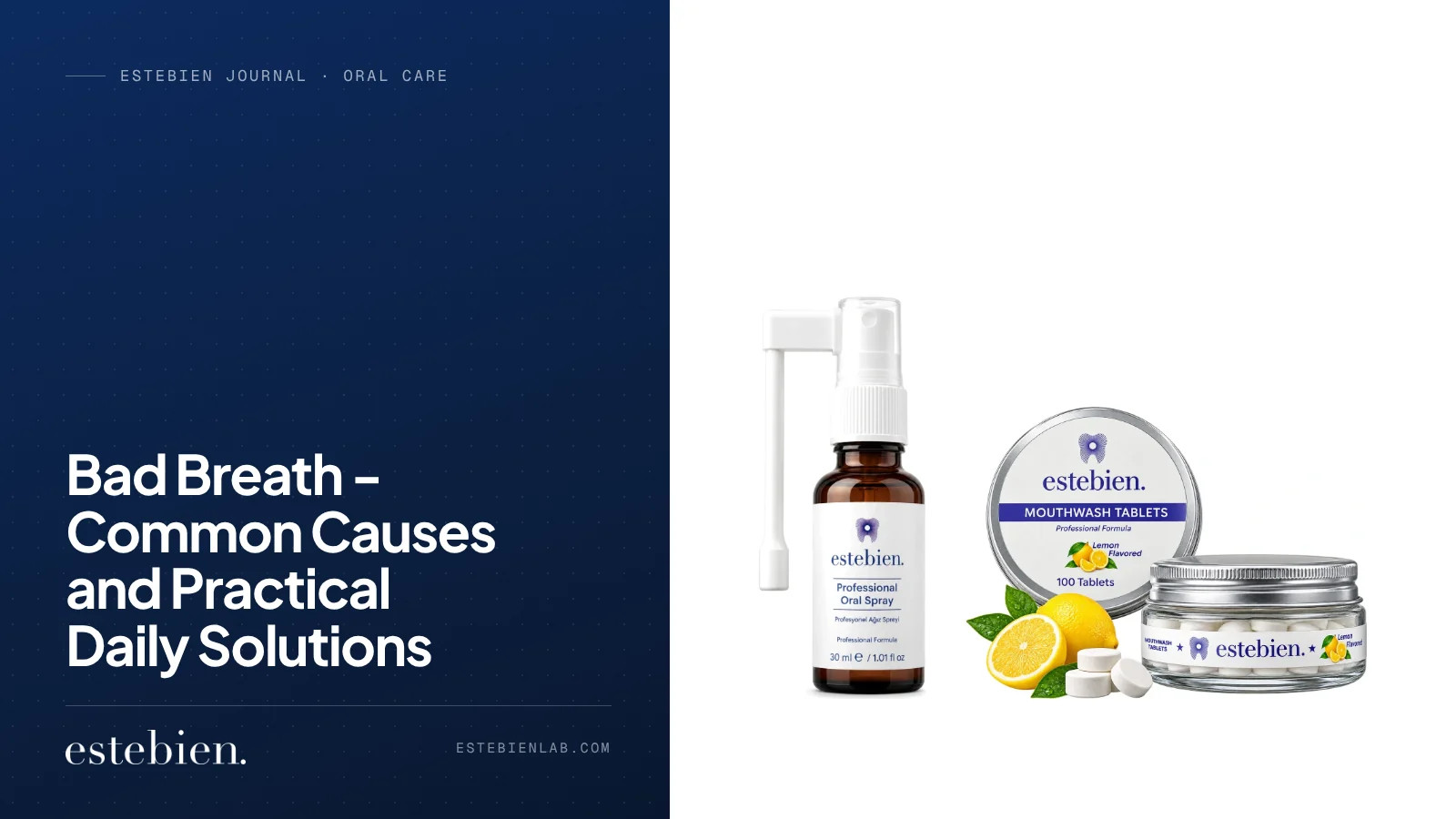
- Yes. The brush has its own product page, and the Estebien Professional Oral Care Kit also holds 1 brush. The kit also contains Sensitive Care Toothpaste, Professional Oral Spray, Mouthwash Tablets and three bottles of Advanced Oral Support Tablets.
Sources
- ToothbrushesAmerican Dental Association
- ToothbrushesAmerican Dental Association (MouthHealthy)
- How to keep your teeth cleanNHS
- Gum RecessionCleveland Clinic
- Teeth BracesCleveland Clinic
- Tooth ExtractionCleveland Clinic
This article is for general information only and is not a substitute for medical advice. For decisions about your health, consult your doctor or dentist.